


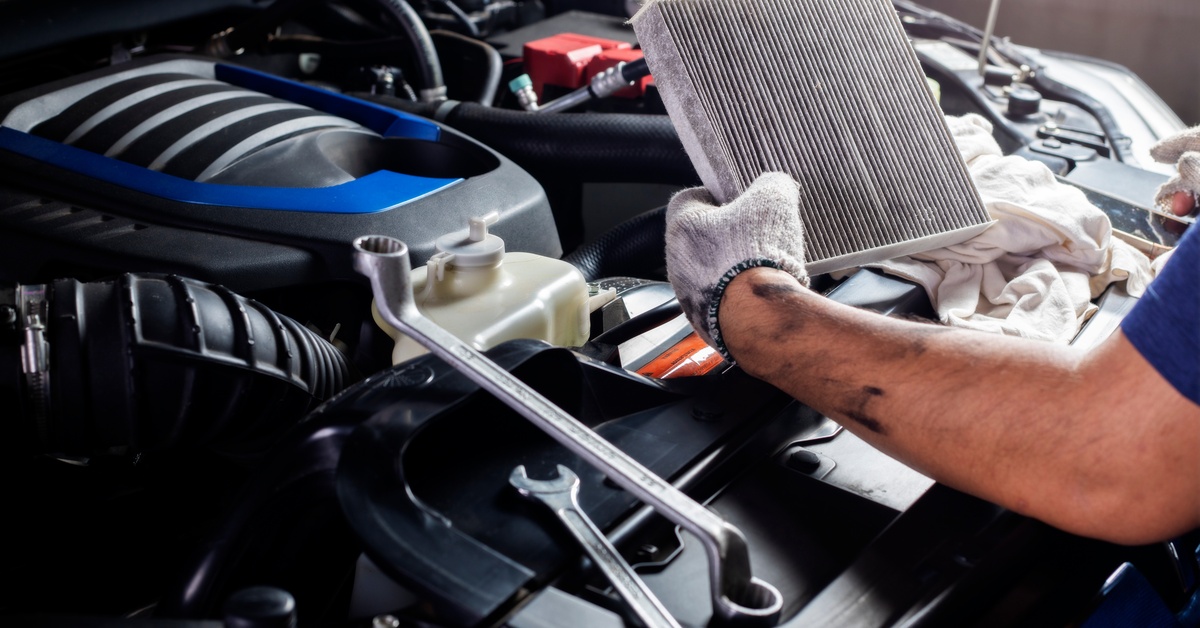
Your car uses several filters for different purposes. For example, the engine air filter traps dirt before it enters the engine, while the cabin filter removes particles from air entering the passenger compartment. Over time, these filters get loaded with contaminants and need to be replaced.
But how often should you replace your vehicle’s filters if you want the best performance from your car? There isn’t one interval for every filter, and replacing everything at every oil change isn’t the answer. Here are 10 tips to help you decide when each replacement is due.
Identify the Filter Type First
Before choosing a replacement interval, you need to know which filter you’re dealing with. An engine oil filter collects contaminants from circulating oil, while an engine air filter traps dirt from incoming air. They accumulate debris at different rates and follow separate replacement schedules. A truck’s hydraulic system uses filters with specific micron ratings to remove particles from hydraulic fluid, with replacement intervals based on the equipment’s operating conditions.
Treating all these filters as the same maintenance item leads to unnecessary replacements or overdue service.
Account for How Hard Your Vehicle Works
Filters don’t last equally long in every vehicle. A car used for repeated short trips may need oil-filter service sooner than one driven mainly on longer highway trips. Similarly, a semi-truck hauling heavy loads needs parts suited to its workload and a maintenance schedule that accounts for heavier use.
These operating demands affect replacement timing, even when two vehicles cover the same mileage. If your driving falls under the manufacturer’s severe-service category, follow that shorter interval. Waiting for the normal interval risks leaving the filter installed beyond its recommended service life.
Follow the Oil Filter’s Service Interval
Your oil filter collects contaminants as engine oil circulates. Follow the manufacturer’s oil-maintenance schedule to determine when it needs replacement, rather than relying on a blanket 3,000-mile rule. Some vehicles use a dashboard reminder to indicate when that service is due.
However, an oil-change reminder doesn’t always specify identical work on every visit. The service code identifies whether an oil change alone or an oil-and-filter change is due. Check that code before booking service so you know whether the filter needs replacement.
Use the Engine Air Filter’s Specified Limit
Your engine air filter traps dirt before it enters the engine. As dirt builds up, less air passes through, which can reduce engine performance. The manufacturer’s replacement schedule tells you how many miles the filter should last under normal driving conditions.
Count that interval from the filter’s last replacement. For example, if your manual specifies replacement every 30,000 miles and you installed the filter at 40,000 miles, the next change is due at 70,000. Use the interval listed for your model, since it varies between vehicles.
Adjust Air Filter Timing for Dust
A dusty route exposes an air filter to more particles during every mile. Consequently, a car driven along unpaved roads needs closer monitoring than an identical car driven in less dusty conditions. Low mileage doesn’t prevent the filter from loading up when the surrounding air contains more dirt.
Some manufacturers give a separate interval for this situation. For example, certain Honda models specify engine air filter replacement every 15,000 miles under dusty conditions.
Watch Cabin Airflow Between Scheduled Changes
Your cabin air filter traps dust from air entering through the ventilation system. As dust builds up, it becomes harder for air to pass through the filter. If less air comes out of the vents even after you turn up the fan, the filter needs a check before its scheduled replacement.
If the filter’s clogged, replace it instead of waiting for the next service date. If it isn’t clogged, a mechanic can check the fan to find out why the airflow has dropped.
Confirm Whether the Fuel Filter Needs Routine Service
Fuel-filter replacement depends heavily on the fuel system’s design. Some gasoline vehicles have an integrated filter that the manufacturer doesn’t list for routine replacement. In that case, adding a recurring fuel-filter appointment creates maintenance the vehicle’s schedule doesn’t require.
Other vehicles use a serviceable fuel filter with a stated replacement interval. If you move between gasoline and diesel vehicles, their fuel-maintenance requirements differ. Before borrowing an interval from a previous car, confirm whether your current vehicle has a scheduled filter service at all.
Respond to the Correct Maintenance Reminder
A dashboard maintenance message provides useful timing information, but you need to know what it refers to. An oil-life percentage concerns oil service; it doesn’t measure how much dust your cabin filter has collected. Separate filter reminders or service codes identify other scheduled work.
After the required service, the corresponding reminder needs a reset according to the vehicle’s instructions. Resetting it without completing the work produces misleading timing for the next visit. Likewise, a forgotten reset after completed service leaves you with a warning that doesn’t reflect the filter’s actual service history.
Check the Time Between Replacements
Low mileage doesn’t always mean a filter change can wait. Some maintenance schedules include a time limit as well as a mileage limit. When both apply, the filter needs replacement when you reach either one first.
For example, an interval of 12 months or 10,000 miles calls for service after a year even if you’ve driven only 4,000 miles. If you don’t drive every day, you may reach the time limit long before the mileage limit. Check whether each filter’s schedule includes a calendar deadline, then record that date alongside the mileage.
Calculate the Next Change From Service Records
Replacement timing becomes easier to track when you know when the current filter went in. A record of the replacement date and odometer reading lets you calculate its next scheduled service.
After buying a used vehicle, you’ll need records that identify which filters received service. A recent oil-change sticker doesn’t establish when someone last replaced the cabin filter. If the history’s incomplete, have the filter’s service status assessed, then record the completed work so future decisions don’t depend on guesswork.
Set a Schedule for Each Filter
You don’t need to replace every filter whenever your car enters a service bay. Knowing when to replace your vehicle’s filters starts with identifying the part and following the schedule that applies to it. From there, your driving conditions and service history help you decide whether earlier service is needed