


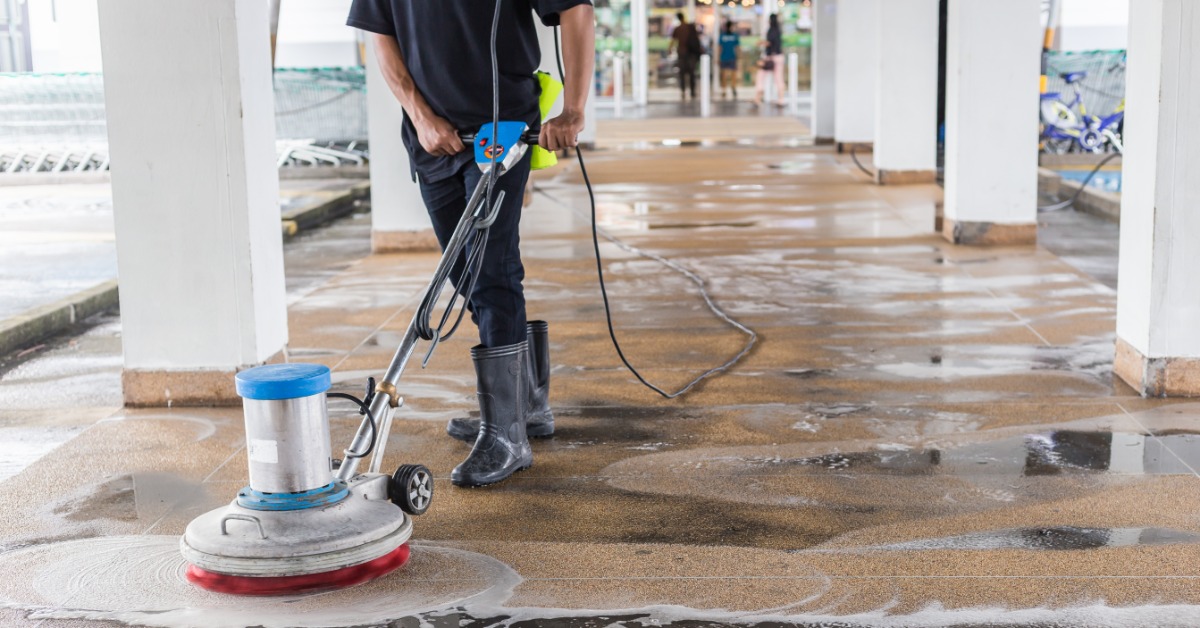
A commercial property can look straightforward to clean during an initial walkthrough, especially when the work involves familiar areas such as parking lots and warehouse floors. Once crews begin preparing the site, however, they may discover that limited water access and ongoing business activity complicate what initially appeared to be a routine assignment. Even the distance between work areas can affect how much crews accomplish during a scheduled shift.
For property managers and cleaning contractors, the difficulties behind large-scale cleaning projects extend beyond the amount of space requiring attention. The real challenge lies in coordinating the work around property conditions that can disrupt progress and force crews to reconsider their original plans.
Large Areas Create More Than a Bigger Workload
As cleaning projects expand, the amount of work does not necessarily increase in a predictable way. A crew responsible for several thousand square feet may encounter different surface conditions, heavily used areas, and sections that require specialized attention. Completing the project involves accounting for those differences before workers can establish a realistic schedule.
The physical layout can complicate the work further. A large open warehouse floor presents different challenges from a commercial property divided into individual rooms or outdoor areas separated by landscaping. Workers may spend considerable time relocating equipment and preparing each section before cleaning begins, making the property’s configuration just as relevant as its total square footage.
Different Surfaces Require Different Cleaning Methods
Across a large property, cleaning crews may encounter materials that respond differently to the same equipment or cleaning products. Concrete walkways can tolerate certain methods that would damage painted surfaces or delicate exterior finishes. Even when two areas appear similar, their condition and previous maintenance history can influence the treatment they need.
Before beginning a major project, crews should identify which surfaces require specialized products or equipment settings. A cleaning method that works efficiently in one location may create unnecessary damage elsewhere, particularly when workers apply excessive pressure or use chemicals without checking material compatibility.
The challenge becomes greater when a project includes surfaces with different levels of accumulated dirt. Areas exposed to heavy vehicle traffic may require more attention than protected sections of the same property, making uniform cleaning expectations impractical.
Equipment Capacity Can Limit Productivity
When workers face extensive cleaning assignments, equipment performance can determine how efficiently they move through each section. Machines designed for occasional residential use may struggle to maintain the output that demanding commercial projects require. Equipment limitations can become especially noticeable when crews need to clean broad surfaces within a restricted working period.
Commercial pressure washing illustrates why matching equipment capabilities to the workload matters. Beyond pressure ratings, water flow influences how quickly workers can rinse away loosened dirt and cleaning solutions. In applications involving extensive exterior surfaces, high-GPM pressure washers can improve productivity by delivering greater water volume, provided the equipment suits the surface and available water supply.
However, purchasing or renting more powerful equipment does not automatically solve every problem. Workers still need appropriate accessories and reliable access to utilities, while equipment maintenance must support the demands of the project. A machine that repeatedly requires adjustments or experiences interruptions can undermine the productivity gains a larger operation expects.
Access Restrictions Can Interrupt the Workflow
Even when crews have suitable equipment, reaching every part of a property can require more preparation than expected. Loading docks may need to stay available for deliveries, while parking areas and pedestrian entrances must accommodate regular activity. Cleaning crews cannot always move freely through these spaces without coordinating with the people who use them.
Access restrictions can create additional complications when workers need lifts, extended hoses, or permission to enter secured areas. Before scheduling the work, property managers should identify locations that require special arrangements and determine when crews can reach them safely. Otherwise, employees may arrive ready to work only to discover that a necessary section is unavailable.
Water Supply and Wastewater Need Advance Planning
For projects involving extensive washing, the availability of water can influence which equipment crews can operate and how long the work takes. A property’s existing supply may not support several machines simultaneously, particularly when equipment requires substantial flow. Workers may need to coordinate water access or arrange an alternative supply before beginning.
Wastewater presents another concern because runoff can carry cleaning chemicals and contaminants into surrounding areas. Depending on the location and nature of the work, crews may need containment equipment or approved collection methods to prevent improper discharge. Planning for wastewater management early can prevent interruptions after cleaning begins and support compliance with applicable local requirements.
Scheduling Around Business Activity Adds Pressure
When a commercial property must continue operating during a major cleaning project, scheduling becomes a negotiation between maintenance needs and everyday business demands. A retail center may experience steady pedestrian traffic, while an industrial facility could depend on uninterrupted vehicle access. Crews must account for those activities when estimating how much work they can complete during each shift.
Some properties can accommodate cleaning during evenings or scheduled closures, although those arrangements introduce their own limitations. Businesses that already follow a regular commercial cleaning schedule may find it easier to identify when larger maintenance projects will cause the least disruption. Property managers can then divide the work into manageable zones, allowing daily operations to continue while crews address sections of the property.
Unexpected Conditions Can Change the Project Scope
Despite careful preparation, crews may discover problems that an initial inspection did not reveal. Heavy buildup beneath equipment, deteriorating surfaces, or previously inaccessible areas can require additional work. When these conditions emerge midway through a project, the original estimate may no longer reflect the labor necessary to achieve acceptable results.
Clear expectations between the cleaning contractor and property owner can make these situations easier to manage. Before work begins, both parties should agree on the intended results and establish how they will address unexpected conditions. Documenting the property’s starting condition can provide a useful reference if workers encounter surfaces that need repairs or specialized treatment beyond the original cleaning agreement.
A Better Plan Accounts for the Property Itself
Before approving a cleaning schedule, property managers should consider whether the proposed work reflects how people actually use the space. A warehouse that receives deliveries throughout the day may need a different cleaning schedule from an office complex with predictable periods of low activity. Accounting for those differences can prevent crews from losing valuable working hours to avoidable interruptions.
Ultimately, what makes large-scale cleaning projects difficult is the gap between estimating a job based on its size and preparing for the conditions crews will encounter. A realistic plan recognizes that equipment capacity, property access, and operational demands influence what workers can accomplish, allowing businesses to set expectations that reflect the work involved.