


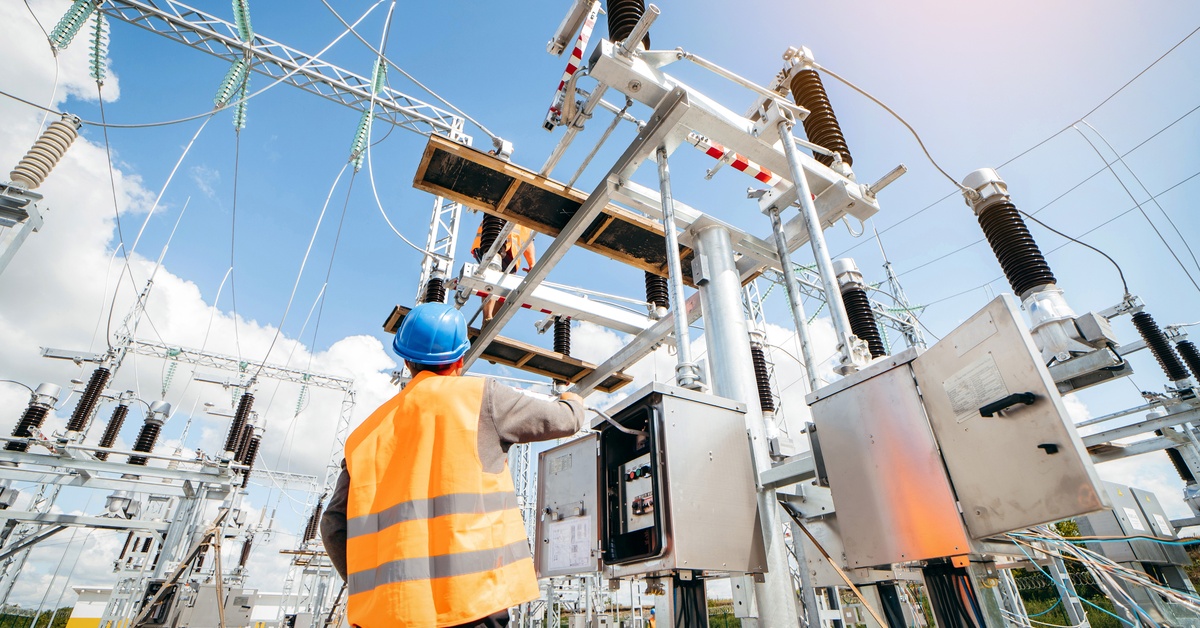
An automatic transfer switch (ATS) provides a dependable path between primary and backup power sources, but even a well-designed unit can fall short due to installation errors. Understanding how to avoid common ATS installation mistakes helps engineers and facility managers protect equipment, reduce downtime, and maintain reliable power distribution. Review the following installation practices before your next project to identify potential trouble spots and develop a more dependable transfer system.
Select the Correct ATS for the Application
An ATS must accommodate the electrical characteristics of the facility and its connected loads. Selecting a unit based solely on amperage can lead to compatibility problems, nuisance trips, or premature equipment failure. Voltage, frequency, phase configuration, and available fault current all deserve attention during equipment selection.
Start with a detailed load assessment that accounts for normal operation and anticipated expansion. A manufacturing facility with large motors, for example, may experience substantial inrush currents during equipment startup. The transfer switch must have appropriate ratings for the application, including its short-circuit withstand and closing capabilities.
Engineers should also evaluate the transfer mechanism and operational requirements. Open-transition, delayed-transition, and closed-transition switches serve different purposes, and each requires compatible electrical infrastructure. Closed-transition arrangements introduce additional utility coordination and control requirements that deserve consideration early in the design process.
Avoid Poor Installation Locations
Location affects environmental exposure and long-term maintenance requirements. A cramped electrical room might accommodate the equipment physically but leave technicians without adequate space for inspections or repairs. That oversight can complicate future service and introduce safety concerns.
Choose a location with the working clearances required by applicable electrical codes and manufacturer instructions. Consider ventilation, ambient temperature, moisture, dust, and potential exposure to corrosive substances. Equipment installed near industrial processes may require an enclosure suited to harsher environmental conditions.
Accessibility matters just as much as environmental protection. Technicians need practical access to disconnects, control panels, and serviceable components. A convenient installation today shouldn’t become an obstacle during an emergency several years later. This highlights why evaluating pathways is one of the most important factors when moving industrial equipment in the workplace.
Verify Wiring and Electrical Connections
Incorrect electrical connections can compromise transfer operations and damage connected equipment. Even a minor wiring error may prevent the ATS from recognizing an available source or transferring loads correctly. Proper conductor identification and systematic verification help prevent these complications.
Confirm the phase sequence, conductor sizes, terminal assignments, and manufacturer-specified torque values before energization. Loose terminations can produce excessive heat, voltage drops, and eventual connection failure. Excessive torque can also damage terminals or conductors, so precision matters.
Control circuits deserve equal attention. Incorrect connections between the ATS and generator controls may prevent automatic startup or interfere with transfer commands. Compare every connection against the approved electrical drawings rather than relying on assumptions from previous installations.
Account for Generator Startup and Transfer Delays
Automatic transfer switches don’t necessarily transfer power the instant utility voltage disappears. Most generator-backed systems require time for the generator to start and establish acceptable voltage and frequency. Incorrect timing settings can create unstable transitions or unnecessary transfers.
For example, a brief utility voltage dip shouldn’t always trigger a complete generator startup and transfer sequence. Properly configured delays can prevent needless operations during momentary disturbances. Transfer and retransfer settings must reflect equipment requirements and the facility’s tolerance for interruptions.
Generator cooldown periods also deserve attention. An immediate shutdown after load retransfer may conflict with generator manufacturer recommendations. Coordinate ATS timing parameters with the generator controls and the operational requirements of connected equipment.
Consider Sensitive Equipment and Load Characteristics
Not every electrical load responds the same way to a source transfer. Industrial motors, programmable logic controllers, laboratory instruments, and communication systems may have different tolerances for interruptions and voltage variations. A transfer sequence suitable for one facility may create operational problems elsewhere.
Identify loads that cannot tolerate the interruption associated with the selected transfer method. Some applications may require an uninterruptible power supply to maintain continuity during the transition. An ATS alone doesn’t provide uninterrupted power in a conventional open-transition arrangement.
Coordinate Protective Devices Properly
Circuit breakers, fuses, and transfer switches must operate as part of a coordinated electrical distribution system. Incorrect protective device selection can expose equipment to fault conditions beyond its ratings or cause unnecessary interruptions. Review available short-circuit current at the ATS installation point. Verify the switch’s withstand and closing rating against the applicable upstream protective devices and manufacturer documentation. An amperage rating alone doesn’t establish suitability for the available fault current.
Protective device coordination also affects fault isolation. Ideally, a downstream fault should disconnect the affected circuit without unnecessarily interrupting other loads. Engineers should evaluate applicable coordination requirements and document the final protection scheme before commissioning.
Test the ATS Before Normal Operation
One of the most avoidable installation mistakes is assuming that correct wiring guarantees correct operation. An ATS may appear functional under normal utility power yet fail during an actual outage. A structured commissioning procedure can reveal problems before the system enters service.
Begin with inspections and electrical tests appropriate to the equipment and manufacturer instructions. Verify source sensing, control power, phase relationships, protective settings, and mechanical operation. Qualified personnel should conduct these procedures under an approved electrical safety plan.
Next, test the transfer sequence under representative operating conditions. Confirm generator startup, source acceptance, load transfer, utility restoration, retransfer, and generator cooldown. Record observed behavior and compare it against the approved sequence of operations.
Establish a Maintenance Plan From the Start
Installation quality matters, but long-term reliability also depends on maintenance. Dust accumulation, loose connections, mechanical wear, and control component deterioration can affect ATS performance over time. An accessible installation and documented maintenance plan help facility personnel address these concerns. Follow manufacturer recommendations for inspection intervals, functional tests, and component service. Maintenance schedules should reflect environmental conditions, operating frequency, and the consequences of an unexpected transfer failure.
Apply These ATS Installation Practices
Learning how to avoid common ATS installation mistakes requires attention to more than equipment placement and electrical connections. A disciplined approach prevents expensive corrections and reduces the risk of unexpected downtime. Before approving your next ATS installation, review the design with qualified electrical professionals and confirm compliance with applicable codes and manufacturer requirements. For facilities with sensitive electrical equipment, explore suitable automatic transfer switches and consult experienced specialists to develop a more resilient electrical infrastructure.