


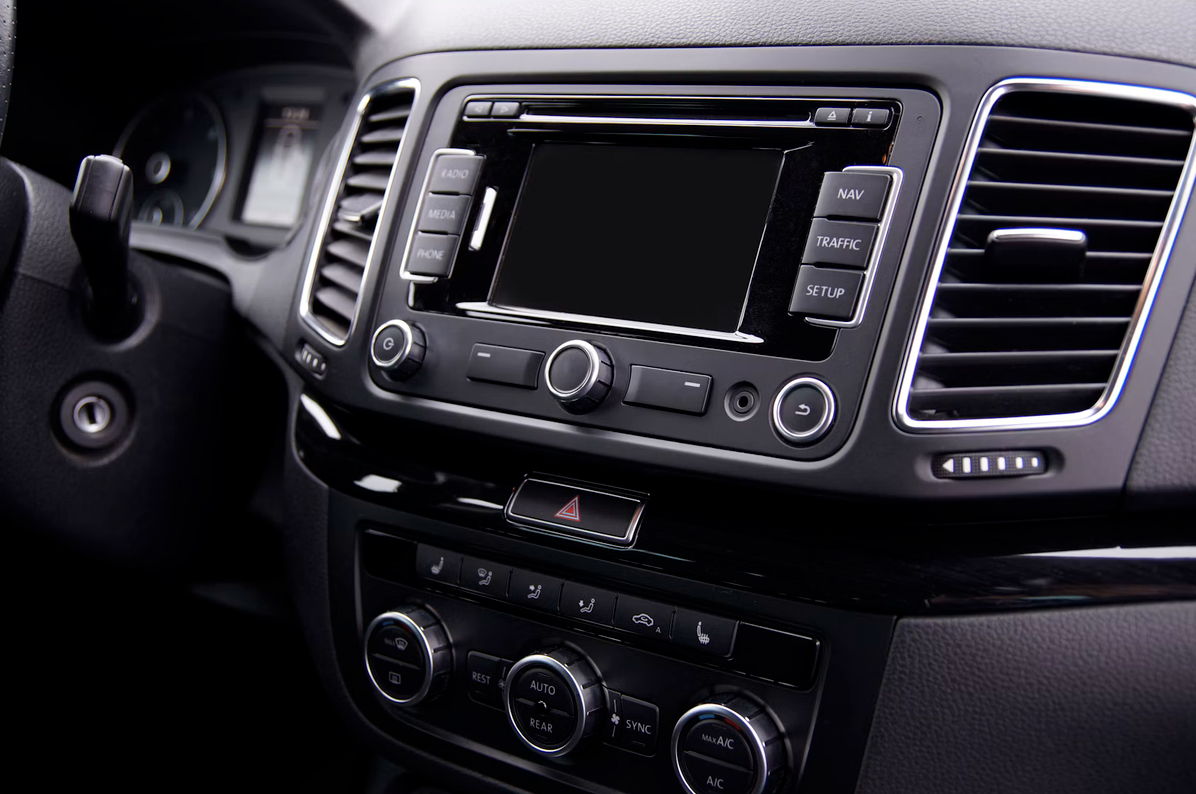
A convincing in-car soundstage makes vocals appear near the center of the dashboard while instruments spread naturally across the cabin. Reaching that result takes more than installing powerful speakers. The cabin’s reflective surfaces, speaker positions, equalization and timing all affect what reaches your ears. Treat the vehicle as a compact listening room and tune each part of the system as a connected whole. The following steps will help you build cleaner imaging, controlled bass and a balanced sound at normal driving volumes.
Understanding Vehicle Cabin Sound Reflections
Glass, plastic and leather reflect sound, while carpets and fabric seats absorb certain frequencies. These uneven surfaces create peaks and dips that change as you move your head. A harsh upper-midrange may come from reflections off the windshield, for example, while a hollow vocal can result from left and right speakers reaching you at different times.
Start with secure door panels and basic sound treatment around the speaker mounting points. Seal large access holes where appropriate and add damping material to resonant metal surfaces. Don’t cover drains, wiring or moving window parts. After installation, test from the normal driving position with familiar acoustic recordings, keeping the doors and windows closed.
Component Speakers Versus Coaxial Replacements
The main component and coaxial differences involve driver placement and control. Coaxial units combine the woofer and tweeter in one frame, making them practical replacements for factory speakers. Component systems separate those drivers and use an external crossover, allowing the tweeter to sit higher in the door or dashboard for a more elevated image.
A second speaker type guide can help clarify the space and installation needs of each design. Components usually offer greater tuning flexibility, but placement errors can make treble sound disconnected. Owners on the Gold Coast considering professional car stereo installation can have speaker location, mounting depth and system integration assessed before panels are modified.
Balancing EQ Curvature with Car Stereo Installation
Set equalization only after the speakers are mounted, crossovers are configured and gains are checked. Begin with every EQ band flat, then listen at a moderate level. Large boosts consume amplifier headroom and can introduce distortion, so reduce obvious peaks first. If vocals sound sharp around 3 kHz, try a small cut of 1 or 2 dB and compare the result across several tracks.
Factory systems may apply hidden bass reduction or preset EQ curves that complicate upgrades. An installer can test the original signal and decide where processing should enter the system. This broader guide to improving vehicle sound quality also covers practical improvements such as source quality, vibration control and careful tuning.
Digital Signal Processors for Precise Imaging
A digital signal processor, commonly called a DSP, provides time alignment, crossover control and detailed equalization for each channel. Time alignment delays the nearest speakers by fractions of a millisecond so sound from both sides reaches the listening position together. This can pull a vocal away from the driver-side door and place it closer to the dashboard center.
Measure the distance from each speaker to the driver’s headrest, enter those values into the processor and refine them by ear. Use high-pass filters to keep deep bass away from small door speakers. Save a neutral preset before experimenting, then create a second setting for passengers if the processor supports multiple profiles. Small adjustments usually produce the most natural image.
Subwoofer Placement for Tight Bass Response
Subwoofer location changes how bass interacts with the trunk, rear seats and cabin openings. Rear-facing placement often produces strong output in sedans, while an upward-facing enclosure may work better in a hatchback. The enclosure must remain firmly secured and should have enough clearance around the driver and any vent.
Set the low-pass filter near 70 to 90 Hz as a starting point, then adjust phase while listening from the driver’s seat. Bass should seem to come from the front of the cabin, not from a box behind you. If individual notes boom, lower the level before reaching for EQ. A properly blended subwoofer adds weight to kick drums and bass lines without masking vocals or rattling interior trim.
Finish the tuning with a short playlist you know well, including a centered vocal, an acoustic track and music with steady low bass. When each recording holds a stable position at modest volume, the system is delivering the focused soundstage you set out to create.