


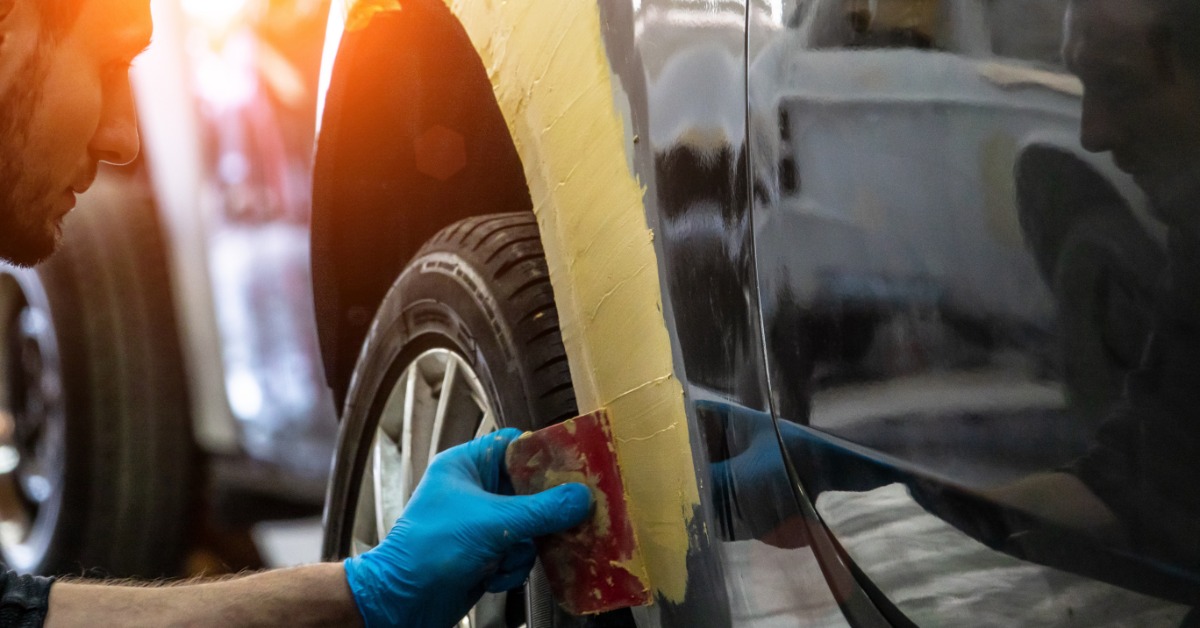
A freshly polished used car looks tempting, especially when the paint shines like something straight off the dealership floor. However, a beautiful finish doesn’t always mean the bodywork underneath received the same attention.
Some sellers repaint damaged panels before listing their vehicles, and poor repairs aren’t always obvious during a quick walkaround. To help you recognize suspicious details before spending your money, here’s how to spot bad paint repairs on a used car.
Inspect the Paint in Natural Daylight
Before examining individual panels, make sure you’re looking at the car under decent lighting. For example, indoor showrooms can sometimes hide subtle color differences, especially when bright overhead lights reflect across the body.
Ask to inspect the vehicle outside during daylight, ideally in a location without strong shadows falling across the paint. As you walk around the entire car, notice whether certain areas appear darker than their surroundings.
Also, pay attention to differences between adjacent panels. A repainted door, for example, might have a slightly different shade than the original rear quarter panel.
Look for Uneven Paint Texture and Reflections
Color isn’t the only detail worth examining. Professional paintwork should have a reasonably consistent finish, whereas rushed repairs sometimes leave noticeable surface defects.
Stand beside the vehicle and look across the paint rather than directly at the panel. Reflections from nearby buildings can help reveal subtle irregularities; if straight lines appear distorted across one section, the underlying surface might have uneven body filler or sanding marks.
Check Whether Paint Reached the Trim
One revealing sign of careless repainting is paint where it doesn’t belong. During professional refinishing, technicians protect nearby surfaces to ensure overspray doesn’t reach surrounding components.
This attention to detail is why custom paint masking improves coating consistency in finishing operations. Proper masking creates cleaner boundaries between painted surfaces and areas that need protection.
When examining a used car, look closely around the window seals and notice whether the rubber has specks matching the vehicle’s paint color. While these clues don’t automatically indicate serious collision damage, they do raise questions about the repair’s quality.
Open the Doors and Inspect Hidden Edges
A car might look flawless with every door closed. Open them, though, and you might notice details that reveal earlier bodywork. Start by examining the door jambs and comparing their paint color with the exterior panels, especially around the edges where the two areas meet. A sudden change in texture sometimes suggests someone repainted the outside without thoroughly finishing the surrounding surfaces.
Examine the Hood and Trunk
Don’t stop at the doors. Open the hood and trunk and inspect the painted edges near the hinges. Look for overspray on nearby components or unusual paint buildup around mounting points, as poorly finished edges sometimes reveal repairs that aren’t visible when the panels remain closed.
Compare Body Panel Gaps for Possible Repairs
Paint problems sometimes accompany poorly aligned body panels, especially if a vehicle has undergone collision repairs. For example, a door might have fresh paint while sitting slightly farther from the adjacent fender than expected.
Start by comparing the gaps between panels on opposite sides of the car and notice whether one gap changes noticeably from top to bottom. Then, check whether the hood sits evenly against the fenders. Uneven alignment might suggest previous repairs or improper adjustment.
Look for additional evidence before reaching a conclusion. Scratched mounting bolts near a suspicious panel might suggest someone previously removed or adjusted the component.
Search for Rust Beneath Fresh Paint
A recent paint job sometimes hides corrosion that the previous owner never properly repaired. While fresh paint might temporarily improve the appearance, rust often returns when moisture reaches damaged metal.
Pay particular attention to the lower edges of the doors. Small bubbles beneath the paint might indicate corrosion developing underneath the finish. The risk of rust in the winter makes these areas especially important in regions where road crews use salt, since salt exposure accelerates corrosion when moisture reaches vulnerable metal surfaces.
If possible, ask a qualified mechanic to examine the underside for deeper corrosion, as understanding the extent of corrosion helps you decide whether the vehicle deserves further consideration.
Ask About the Vehicle’s Previous Paintwork
Spotting unusual paint doesn’t automatically mean you should reject a used car. Plenty of vehicles receive perfectly reasonable cosmetic repairs after minor scratches or parking lot damage. The important thing is understanding what happened and whether the repair addressed the underlying problem.
Ask the seller which panels received new paint. If a professional body shop completed the work, request repair invoices showing what the technicians performed. You can also check a vehicle history report for additional reference, though not every accident or repair appears in these records.
If the seller claims the car has never undergone bodywork despite obvious repainting, ask for clarification before proceeding. The explanation should make sense alongside what you observe during your inspection.
Bring a Simple Checklist to the Viewing
It’s easy to overlook small defects when you’re excited about a potential purchase, which is why bringing a simple checklist can help you stay focused during the viewing.
During your walkaround, focus on these checks:
- Compare the paint color between neighboring body panels.
- Look across reflective surfaces for uneven texture.
- Inspect rubber seals for paint overspray.
- Open the doors to examine painted edges.
- Check lower panels for bubbling paint.
- Photograph suspicious areas for closer review.
Take your time with each area, and if something looks unusual, photograph the defect from another angle. You might notice additional problems when reviewing the pictures later.
Get a Professional Inspection Before Buying
Your visual inspection offers useful clues, but some repairs require professional assessment. A qualified technician can identify previous collision damage that ordinary paint checks won’t reveal.
A paint thickness gauge can also help identify unusually thick coatings or underlying filler, but accurate readings depend on the equipment and the surface material. If the inspection reveals extensive repairs, request an estimate for correcting any remaining problems. You might negotiate a fairer price or decide another vehicle offers better value.
Knowing how to spot bad paint repairs on a used car gives you more confidence when evaluating a potential purchase. While a shiny exterior deserves attention, it’s the quality underneath that deserves closer inspection.
Take a few extra minutes to examine suspicious areas before buying. Those small observations might save you from expensive repairs after bringing the car home.