


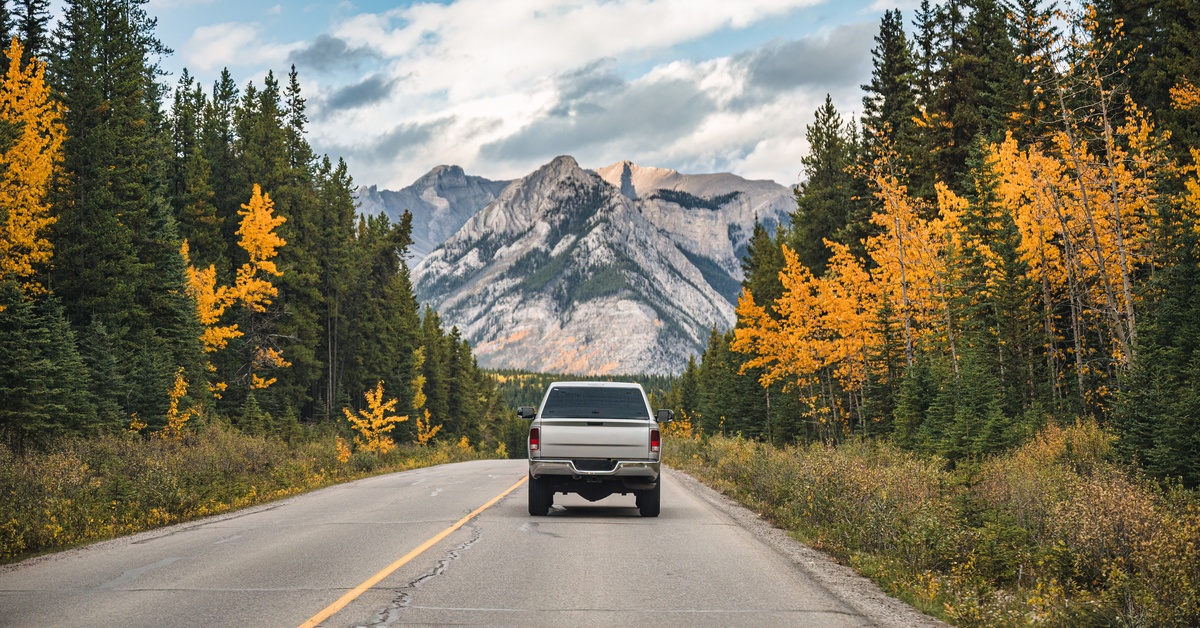
Diesel trucks are built to handle demanding jobs, but mountain roads can put their capabilities to the test. Steep climbs, winding descents, and changing elevations create challenges that drivers rarely encounter on flat highways. Even a well-maintained truck may respond differently when climbing a mountain pass or towing a trailer through rugged terrain.
Understanding how mountain driving challenges diesel trucks helps you prepare for these conditions and avoid unnecessary strain on your vehicle. From reduced engine performance to increased braking demands, knowing what happens under the hood can make mountain travel safer and more manageable.
How High Altitudes Affect Diesel Engine Performance
One of the biggest challenges of mountain driving is the change in air density as elevation increases. Higher altitudes have thinner air, meaning less oxygen is available for combustion.
Diesel engines depend on oxygen to burn fuel efficiently. When oxygen becomes limited, engine performance can suffer, particularly during demanding climbs.
Reduced Engine Power at Higher Elevations
Modern diesel trucks typically use turbochargers to compress incoming air and maintain engine performance. However, turbochargers have operating limits.
As elevation increases, the turbocharger may need to work harder to maintain the desired intake pressure. Depending on the engine and its control systems, drivers might notice:
- Slower acceleration when climbing steep grades
- Reduced pulling power while towing heavy loads
- Changes in turbocharger response
- Increased difficulty maintaining highway speeds uphill
Modern engine management systems can compensate for some altitude-related changes, but they cannot eliminate every performance limitation.
Keeping your air intake system clean and ensuring your turbocharger operates correctly can help maintain consistent performance.
Why Steep Climbs Increase Engine Stress
Mountain roads often require diesel engines to produce substantial power for extended periods. Unlike short bursts of acceleration on level roads, climbing a long grade places sustained demands on the engine.
When towing a trailer or carrying heavy equipment, these demands become even greater.
Increased Engine Temperatures
Climbing steep hills requires more fuel and power, which generates additional heat. The cooling system must work harder to maintain appropriate engine temperatures.
Potential warning signs include:
- Coolant temperatures rising above normal operating levels
- Engine temperature warnings appearing on the dashboard
- Reduced power caused by protective engine controls
- Unusual coolant odors or visible leaks
Ignoring overheating symptoms can lead to serious mechanical damage. Before mountain travel, inspect your radiator, coolant level, hoses, and cooling fans. Make sure the coolant meets your manufacturer’s specifications.
Transmission and Drivetrain Strain
The engine isn’t the only component working harder during mountain climbs. Transmissions must manage changing loads as the truck moves between steep inclines and flatter sections. Frequent gear changes can generate additional heat, particularly when towing.
Using an appropriate gear and following the manufacturer’s towing recommendations can help reduce unnecessary shifting.
If your truck includes a transmission temperature gauge, monitor it during extended climbs. Excessive temperatures may indicate that the drivetrain needs attention.
How Mountain Descents Challenge Diesel Truck Braking
Going downhill might seem easier than climbing, but long descents introduce another major challenge: controlling the truck’s speed.
Heavy diesel trucks carry considerable momentum, especially when pulling trailers. Relying entirely on the service brakes during a prolonged descent can cause excessive heat buildup.
Understanding Brake Fade
Brake fade occurs when braking components become too hot to deliver their usual stopping performance. Repeatedly applying the brakes on steep downhill grades can increase temperatures and reduce braking effectiveness. Drivers may notice longer stopping distances or changes in how the brakes respond.
To reduce these risks, select an appropriate lower gear before descending and maintain a controlled speed.
Using Engine Braking Effectively
Many diesel trucks feature exhaust brakes or other engine-braking systems that help control downhill speed. These systems reduce reliance on the service brakes by using engine resistance to slow the vehicle.
When driving downhill:
- Engage the appropriate engine-braking system when conditions permit.
- Select a gear that supports controlled descending.
- Maintain extra distance from vehicles ahead.
- Avoid allowing speed to build excessively.
- Follow posted truck speed limits and grade warnings.
Engine braking works best when combined with proper driving techniques. It does not replace functioning service brakes or careful speed management.
How Mountain Weather Affects Diesel Trucks
Mountain conditions can change quickly, even during seasons when lower elevations experience mild weather. A route that begins in sunshine may end up in freezing temperatures, snow, or heavy fog as elevation increases. These changes affect both engine operation and road safety.
Cold Temperatures and Fuel Performance
Diesel fuel can become more difficult to manage in freezing weather. As temperatures drop, wax crystals may form in the fuel and restrict flow through the fuel filter. This can cause hard starting, reduced power, or stalling.
Understanding how cold weather alters diesel maintenance needs is especially important when mountain trips involve freezing temperatures and remote locations. Drivers should use fuel appropriate for expected temperatures and inspect fuel filters before traveling.
Changing Road Conditions
Snow, ice, and loose gravel can significantly reduce traction on mountain roads. Even four-wheel-drive trucks can struggle when tires lose grip, particularly while braking or navigating sharp turns.
Check weather forecasts and road closures before leaving. Carry suitable emergency supplies and avoid traveling when conditions exceed your truck’s capabilities.
Why Mountain Driving Can Increase Fuel Consumption
Diesel trucks are often appreciated for their fuel efficiency, especially during highway travel.
However, mountain driving changes the equation. Climbing steep grades requires additional energy, increasing fuel consumption. Towing heavy loads, maintaining higher engine output, and navigating frequent elevation changes can further reduce efficiency. Descending hills may offset some fuel use, but it generally does not recover all the energy required for climbing.
Drivers can manage consumption by maintaining steady speeds when practical and keeping tires properly inflated. Regular maintenance also matters. Clean filters, properly functioning engine components, and other measures that boost your diesel truck’s performance can help improve efficiency and reliability when navigating steep mountain roads.
Preparing Your Diesel Truck for Mountain Roads
A little preparation can prevent many common problems associated with mountain travel. Before heading into higher elevations, inspect the systems most likely to experience additional stress.
Essential Pre-Trip Maintenance Checks
Focus on the following areas:
- Cooling system: Check coolant levels, hoses, radiator condition, and visible leaks.
- Brakes: Inspect brake pads, rotors, and fluid condition.
- Tires: Verify tread depth and condition as well as manufacturer-recommended pressures.
- Engine oil: Confirm the oil level and appropriate viscosity.
- Transmission: Check for leaks and follow recommended service intervals.
- Air intake: Inspect the air filter and accessible intake connections.
- Fuel system: Address existing fuel filter or fuel delivery concerns.
If you’re towing, confirm that the combined load stays within your truck’s rated capacities. Planning fuel stops is equally important because mountain routes may have limited services.
Drive Confidently Through Mountain Terrain
Mountain driving challenges diesel trucks through thinner air, sustained engine loads, demanding descents, and unpredictable weather. Each factor places different demands on the vehicle and requires thoughtful driving habits.
Fortunately, these challenges are manageable with proper preparation. Maintaining your cooling system, monitoring temperatures, using appropriate braking techniques, and adjusting your driving style can help protect your truck.
Whether you’re hauling equipment through the Rockies or exploring scenic mountain highways, understanding your diesel truck’s limitations helps you approach every climb and descent with greater confidence.