


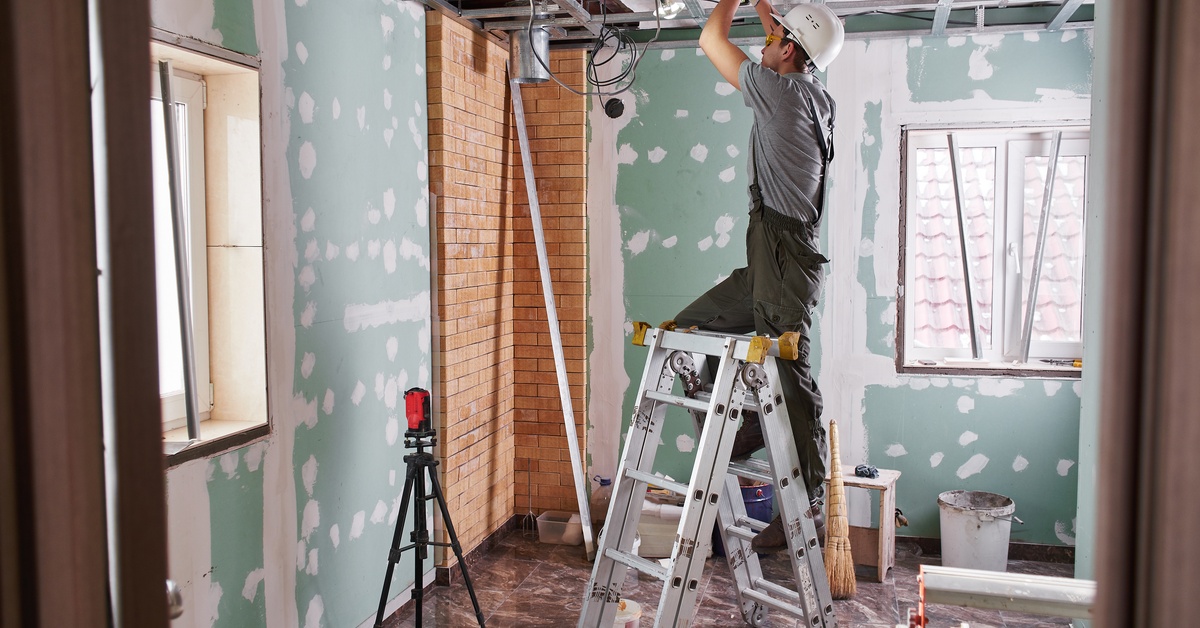
Buying a rundown property, renovating it, and selling it for a higher price can be an exciting investment opportunity. However, successful house flipping involves more than finding an affordable home and making a few improvements. Property conditions, renovation expenses, financing arrangements, and local market trends all influence whether a project generates a worthwhile return.
Before buying a fixer-upper for profit, it’s important to understand the financial commitment and potential challenges involved. Taking time to evaluate these factors can help you avoid costly surprises and make smarter investment decisions.
Research the Local Real Estate Market
A property’s location plays a major role in its investment potential, so researching the surrounding neighborhood should be one of your first priorities. Even a beautifully renovated home may struggle to sell at your desired price if local demand is weak or comparable properties are selling for significantly less.
Start by reviewing recently sold homes with similar square footage, layouts, and features. Consider how long properties typically remain on the market, whether home values are increasing, and what buyers expect in the area. Access to schools, shopping, transportation, and employment opportunities also influence demand.
This research will help you estimate the property’s after-repair value (ARV), which represents its potential selling price after renovations. Understanding this figure is essential because spending more on improvements doesn’t automatically guarantee a higher resale value.
Evaluate the Property’s Overall Condition
Not every fixer-upper requires the same level of work. Some properties need relatively simple cosmetic updates, while others have structural or mechanical problems that can significantly increase renovation costs.
Before making a purchase, arrange a professional home inspection to identify potential concerns involving the foundation, roofing, plumbing, electrical systems, heating and cooling equipment, and water damage. Problems that aren’t immediately visible can become expensive once renovation work begins, particularly in older homes.
Exterior conditions deserve attention as well because deteriorating decks, damaged fencing, cracked walkways, and neglected landscaping can influence buyer perceptions. Understanding how aging outdoor features can affect a property’s appeal can help you identify improvements worth considering alongside interior renovations. The objective is to distinguish manageable repairs from problems that could make the investment financially impractical.
Establish a Realistic Renovation Budget
Underestimating renovation expenses is one of the easiest ways to reduce potential profits. While flooring, paint, cabinet, and fixture pricing may seem straightforward, labor, demolition, permits, material delivery, and unexpected repairs quickly increase the total investment.
Before purchasing a property, obtain detailed estimates from qualified contractors and organize expenses according to the work required. Structural repairs, kitchen and bathroom upgrades, exterior improvements, and professional fees should all be included in the budget. It’s also sensible to establish a contingency fund for unexpected expenses.
A realistic budget should reflect the home’s actual condition rather than an ideal renovation scenario. This approach makes it easier to determine whether the purchase price leaves enough room for a reasonable profit.
Compare Financing Options Carefully
Financing can significantly affect the overall cost of a house-flipping project. While some investors purchase properties using personal savings, others rely on short-term loans designed specifically for acquisition and renovation.
Fix-and-flip loans have different interest rates, repayment periods, approval requirements, and funding arrangements compared with traditional mortgages. Some lenders release renovation funds in stages, which can influence contractor payments and project scheduling.
Understanding how to choose the right fix-and-flip lender allows you to evaluate financing terms, associated fees, funding timelines, and repayment expectations before committing to a project. When comparing options, consider the total borrowing cost, including origination fees, closing expenses, interest payments, and potential extension charges. The financing arrangement should accommodate your renovation timeline while leaving sufficient cash available for unexpected expenses.
Calculate the Potential Return on Investment
A profitable house flip requires more than selling the property for a higher price than you originally paid. Your calculations must account for acquisition costs, renovations, financing, insurance, property taxes, utilities, and expenses associated with selling the home.
For example, imagine purchasing a property for $180,000 and spending $50,000 on renovations. After adding a $10,000 contingency allowance, $15,000 in financing and holding costs, and $20,000 in buying and selling expenses, the total investment reaches $275,000.
If the completed property sells for $310,000, the estimated profit would be $35,000 before income taxes and additional unbudgeted expenses. However, if the selling price falls to $285,000, that potential profit decreases to $10,000. Running calculations using conservative resale estimates helps you understand how changes in market conditions or renovation expenses could affect the outcome.
Plan for Renovation Timelines and Delays
Time is another important consideration because every additional month of ownership increases expenses. Mortgage interest, insurance premiums, utilities, property taxes, and ongoing maintenance costs continue accumulating until the property sells.
Even carefully planned renovations can experience delays caused by contractor availability, permit approvals, material shortages, or unexpected structural problems. Creating a realistic schedule helps you anticipate these challenges and manage the project more effectively.
Your timeline should also account for listing the property, attracting buyers, negotiating offers, and completing the sale. Allowing extra time for these stages can prevent overly optimistic profit projections.
Choose Improvements That Appeal to Buyers
When renovating a property for resale, it’s important to prioritize improvements that align with neighborhood expectations rather than personal design preferences. Expensive finishes and luxury appliances look impressive, but they won’t necessarily produce a worthwhile return in every market. Instead, focus on improvements that address functional concerns and make the home comfortable, attractive, and move-in ready.
Updated kitchens, refreshed bathrooms, durable flooring, neutral paint colors, and improved lighting enhance a property’s appeal without requiring excessive spending. The most effective renovation strategy balances appearance, functionality, and cost while keeping the expected resale price in mind.
Prepare a Backup Plan
Even a well-renovated property may take longer to sell than anticipated, particularly when market conditions change. Before purchasing, consider whether you could afford additional holding costs or accept a lower selling price without experiencing a significant financial setback.
You might also evaluate whether renting out the property would be practical, although this depends on local rental demand, property expenses, and financing restrictions. Having an alternative strategy provides greater flexibility if your original selling timeline doesn’t work out.
Making a Fixer-Upper Investment Worthwhile
Successful house flipping starts with understanding the numbers, recognizing potential risks, and making renovation decisions that reflect actual market demand. Careful property inspections, realistic budgets, suitable financing, and thoughtful project planning all contribute to a better investment outcome.
Ultimately, buying a fixer-upper for profit requires balancing renovation potential with financial practicality. A property that appears inexpensive isn’t necessarily a bargain, but one with manageable repair costs, strong resale potential, and a realistic investment margin may offer a worthwhile opportunity.