


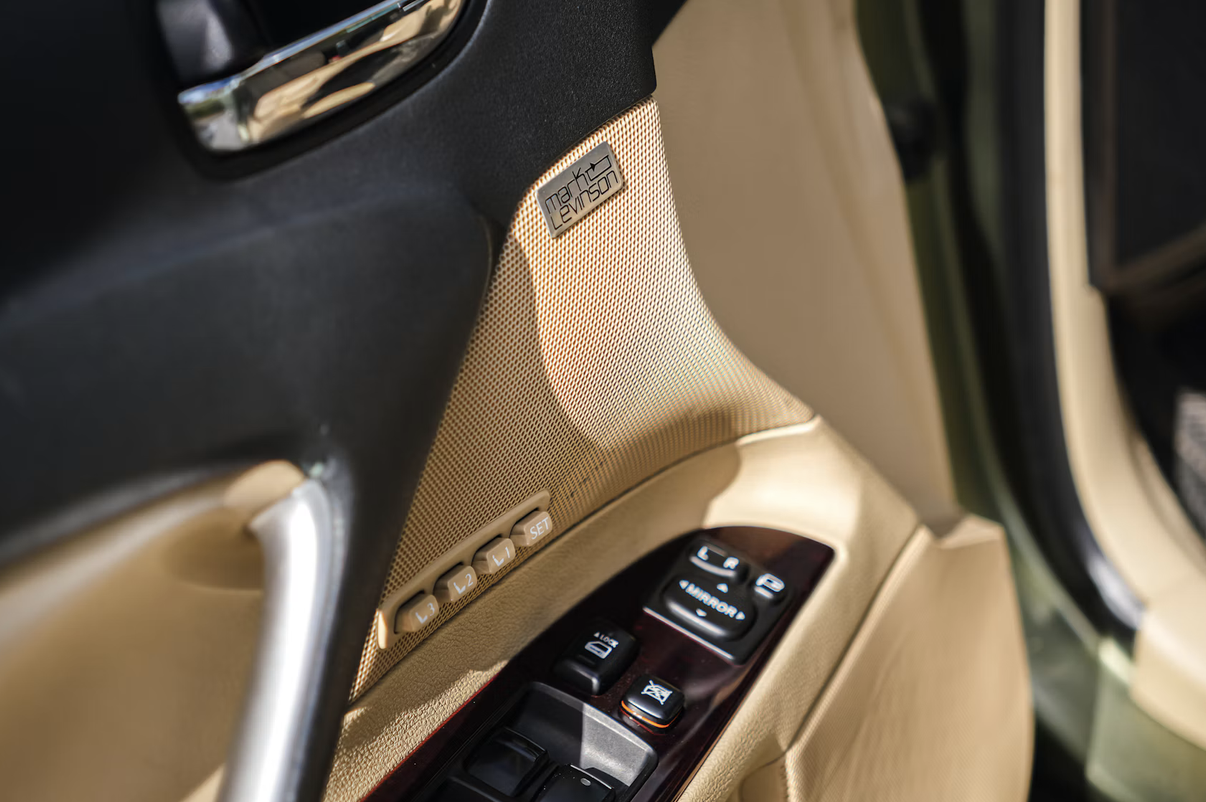
A vehicle cabin can turn a familiar album into a completely different listening experience. Glass reflects high frequencies, seats absorb sound and road noise masks quieter details. Creating satisfying mobile audio calls for careful equipment choices, smart speaker placement and precise tuning that accounts for the cabin itself.
The Unique Physics of Vehicle Cabins
A car’s interior is an unusually small acoustic space. You sit close to the left speaker while the right speaker may be several feet farther away, so sound reaches each ear at different times. Windows and hard trim create reflections, while upholstery and passengers absorb selected frequencies.
Cabin gain also boosts low frequencies as wavelengths interact with the enclosed space. That can make bass sound powerful but uneven, with certain notes booming while others seem to disappear. The engineering behind automotive audio design shows why simulation and measurement matter. Start by reducing loose-panel vibration, securing door trim and checking speaker mounting surfaces before replacing equipment.
Digital Signal Processing for Imaging
A digital signal processor, commonly called a DSP, gives an installer control over timing, crossover points and frequency response. Time alignment delays the nearest speakers by tiny fractions of a second so sound from both sides reaches the listening position together. When calibrated well, vocals appear near the center of the dashboard instead of clinging to the driver-side door.
DSP setup requires accurate measurements, not guesswork. A specialist in car audio can assess speaker locations, cabin materials and listening preferences before setting delays and filters. If you tune the system yourself, save the original configuration first and adjust one variable at a time. Small changes of 0.1 to 0.2 milliseconds can noticeably shift the stereo image.
Why Factory Setups Flatten Dynamics
Factory systems must work within strict limits for cost, weight and electrical demand. Many also apply built-in equalization that protects modest speakers at higher volume. As the level rises, the system may reduce bass output or compress sudden peaks, making drums and orchestral passages sound restrained.
Some factory designs are tuned around the vehicle brand’s preferred sonic character. Aptiv’s overview of a brand-defined sound experience explains how software and cabin design shape that identity. Before upgrading, test several clean recordings at low, medium and higher levels. If tonal balance changes as volume increases, factory processing may be influencing the signal. An integration interface or DSP can correct it without replacing every component.
Building an Audiophile Car Audio Rig
Build the system around a clear goal, such as stronger vocal detail, controlled bass or consistent sound across both front seats. Start with front speakers because they create most of the soundstage. Solid installation matters as much as the speaker model, so use stable mounting adapters and seal gaps around the mounting surface.
Add amplification only after confirming the vehicle’s electrical system can support it. Match amplifier power to the speakers’ practical operating range and set gain using measured test tones. A compact subwoofer can handle the lowest frequencies, allowing door speakers to play more cleanly.
Upgrade in stages if the budget is limited. Installation and DSP tuning often produce a larger improvement than buying premium components that remain poorly positioned or incorrectly adjusted.
Tuning EQ Curves for the Open Road
Tune the system in two conditions: parked with the engine running and during a normal drive. A parked tune may sound beautifully balanced yet lose detail once tire, wind and ventilation noise enter the cabin. Those sounds often mask lower midrange and bass frequencies.
Begin with a measurement microphone at the driver’s head position. Use gentle EQ cuts to control peaks, since large boosts consume amplifier headroom and can strain speakers. Keep adjustments narrow when fixing a specific resonance and broad when changing overall tonal balance.
Create separate DSP presets if the equipment supports them. One can favor accurate solo listening, while another can provide a wider image for passengers. Finish with music you know well at realistic driving volume. When vocals remain centered, bass notes stay distinct and cymbals sound clear without harshness, the cabin has reached a useful balance.

, and proper equipment tuning can overcome factory audio limits.)