


You order takeout, enjoy half your meal, and put the leftovers in the refrigerator. The next afternoon, you reach for the container and wonder if you can put the whole thing in the microwave. After all, the restaurant served your food in it while everything was still steaming.
That familiar situation raises a reasonable question: Are plastic food containers safe for hot foods, especially when the same packaging handles storage and reheating? The answer depends on what the manufacturer designed the container to handle. A plastic bowl might tolerate a hot meal during delivery without meeting the requirements for microwave cooking.
The distinction matters because heat affects different plastics in different ways. Before your next round of leftovers, it helps to know what your containers can handle and where their limitations begin.
Holding Hot Food and Reheating It Are Different Jobs
A restaurant might pack freshly cooked noodles into a plastic container that keeps the meal at temperature during delivery. However, that doesn’t automatically mean the packaging can withstand another heating cycle in your microwave.
During reheating, the food can reach high temperatures and transfer that heat directly to the container. A thick sauce may also heat unevenly, creating areas that become considerably hotter than others.
Manufacturers account for these conditions when designing food packaging. Some containers support refrigerated storage, while others accommodate specific heating methods.
The FDA evaluates food-contact materials according to their intended uses, including temperature and contact time. That distinction explains why packaging suitable for carrying hot food may have different limitations from a reusable microwave-safe container.
Why the Type of Plastic Matters
Plastic isn’t a single material. Manufacturers produce food containers using different polymers, each with properties that influence how it responds to heat.
Polypropylene, commonly associated with recycling code 5, appears in many reusable food-storage containers. Its relatively high heat resistance makes it a common choice for food packaging, particularly when manufacturers need containers that can handle warmer temperatures without losing their shape.
However, a recycling number identifies the general resin rather than guaranteeing microwave safety. Two containers may contain polypropylene while featuring different designs or manufacturer instructions, making the product label more useful than the recycling symbol when deciding how to heat food.
Other plastics have different limitations. Polyethylene terephthalate, commonly known as PET, often appears in beverage bottles and cold-food packaging. Ordinary PET containers generally aren’t appropriate for microwave reheating unless the manufacturer specifically designs them for that purpose.
What Happens When Plastic Gets Too Hot?
People often associate overheated plastic with melting, but visible damage isn’t the only consideration.
Heat can influence chemical migration, the movement of substances from packaging into food. The amount depends on the material’s composition and the conditions of contact.
Food characteristics also matter. Fatty foods can interact differently with certain packaging substances than water-based foods, which is one reason regulators evaluate materials under different food-contact conditions.
However, chemical migration doesn’t automatically mean a container presents a health hazard. Regulators consider potential exposure and toxicological information when assessing food-contact substances.
A container that visibly warps during heating gives you a clear reason to stop using it for that purpose. Even when the plastic maintains its shape, you should still follow the manufacturer’s temperature and heating instructions.
Can You Trust the Microwave-Safe Label?
A microwave-safe label offers more useful information than a recycling symbol because it addresses how the manufacturer intends you to use the product.
Still, microwave-safe doesn’t mean unlimited heating. Some containers require you to loosen the lid or avoid certain cooking settings.
Consider reheating a small portion of vegetables compared with a large serving of oily pasta. The food’s composition and heating duration can affect the temperatures the container experiences.
Microwave-safe plastic also doesn’t belong in a conventional oven unless the manufacturer explicitly approves that use. Conventional ovens expose cookware to different heating conditions.
When a container lacks clear instructions, transfer the food to microwave-safe glass or ceramic rather than guessing.
Should You Reheat Food in Takeout Packaging?
Takeout containers deserve extra attention because restaurants use packaging with different performance requirements.
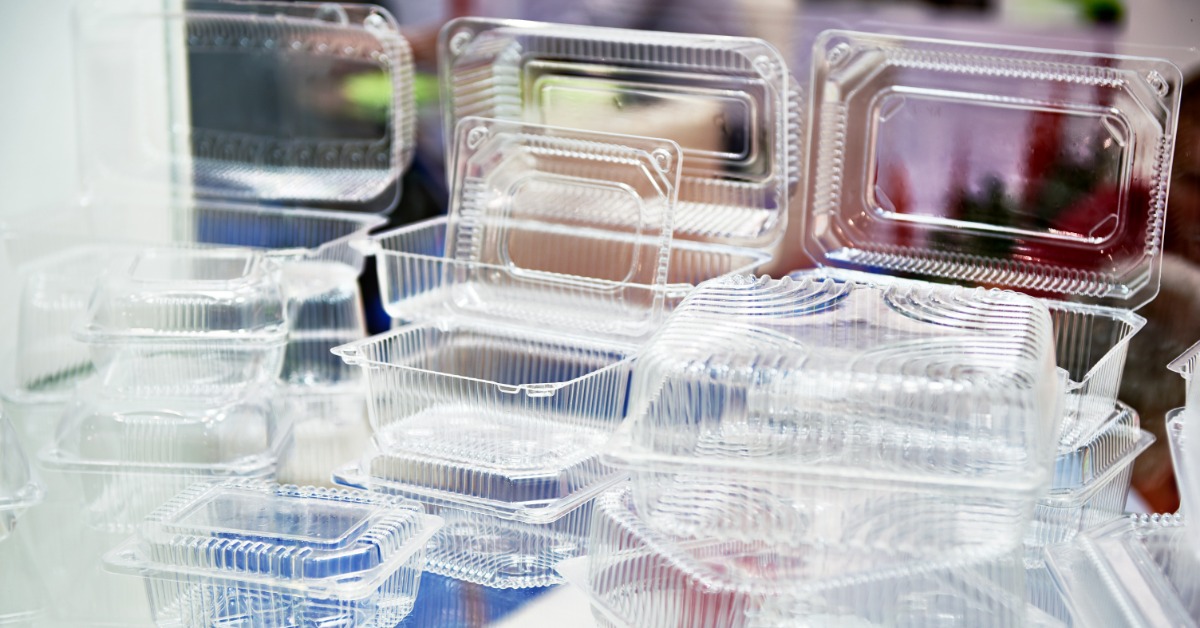
A sturdy black plastic tray might resemble a reusable microwave container, but appearance alone doesn’t establish its heating limitations. Clear deli tubs and disposable salad containers may have even narrower intended uses.
The USDA advises consumers against microwaving disposable takeout containers unless their labels specifically permit microwave use.
Before reheating restaurant leftovers, check the packaging for instructions. If you can’t find any, move the food into a suitable dish.
This habit becomes especially useful when you frequently bring restaurant meals home. You can still enjoy the convenience of takeout without assuming every container supports repeated heating.
When Should You Replace a Plastic Container?
Reusable plastic containers can develop signs of wear after repeated washing and heating. Scratches can collect food residue, while permanent warping can affect how securely the lid fits.
A container that has changed shape after microwave use deserves particular attention. The damage may indicate that the material encountered temperatures beyond its intended limits.
Signs Your Container Needs a Closer Look
- Permanent warping: The base no longer sits flat, or the lid no longer fits correctly.
- Cracks or deep scratches: Damaged surfaces make cleaning more difficult and may compromise the container’s usefulness.
- Missing instructions: You can’t confirm whether the container supports the heating method you plan to use.
Follow the manufacturer’s cleaning recommendations, especially when deciding whether a container belongs in the dishwasher.
Does Glass Make More Sense for Leftovers?
Glass can simplify meal preparation when you frequently refrigerate and reheat food in the same container. Microwave-safe glass dishes accommodate heating without introducing plastic food-contact surfaces.
Ceramic bowls offer another option, particularly for soups and other meals that benefit from occasional stirring.
However, neither material eliminates the need for care. Some glass products can crack after sudden temperature changes, while certain decorative ceramics aren’t suitable for microwave use.
Choose cookware that the manufacturer identifies as microwave-safe and follow its handling instructions.
Food temperature deserves attention regardless of the container. The USDA recommends reheating leftovers to 165°F, and stirring food during microwave heating helps reduce unevenly heated areas.
If you regularly prepare meals ahead of time, choosing containers that can handle refrigeration and reheating can make your routine easier. Glass offers a convenient option for storing leftovers and warming them later, particularly when you want to avoid transferring food between dishes.
A Better Way to Handle Hot Food
Whether plastic food containers are safe for hot foods depends on the container’s intended use, not the presence of plastic alone.
A manufacturer-approved microwave-safe container can work well for reheating leftovers, while an unmarked takeout box may belong in the refrigerator rather than the microwave.
Check heating instructions before using unfamiliar packaging, and replace containers that show permanent damage. When the labeling leaves you guessing, transferring your meal to suitable cookware offers a simple solution.
That small decision lets you focus on enjoying your food without wondering if the container can handle the heat.