


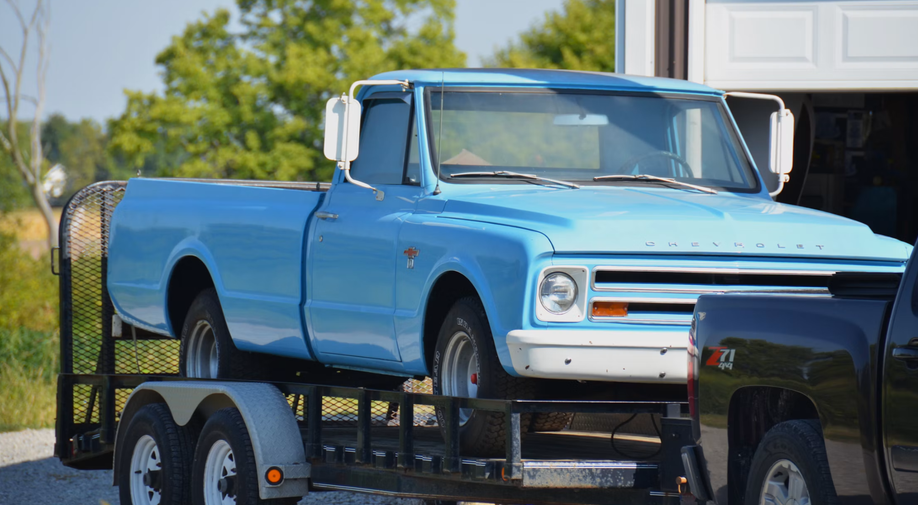
Moving a non-running project car can quickly become a costly headache when locked wheels, low ground clearance, or damaged steering complicate loading and unloading. One wrong winching angle or poorly chosen attachment point can cause additional damage before the vehicle even reaches your garage. Knowing how to prepare a rolling chassis, arrange specialized flatbed towing, and plan the final placement can help protect your investment and make delivery far less stressful.
Sizing Up Rolling Chassis Risks
Start by confirming whether all four wheels turn and whether the steering moves freely. A car described as a rolling chassis may still have seized wheel bearings, disconnected steering parts, or tires that collapse under load. Check that each wheel is attached securely and inflated enough to roll onto a carrier.
Look underneath for loose exhaust parts, low suspension components, and fluid leaks. Remove unsecured panels or place them inside the vehicle so they can’t fall during transport. The parking brake must release, and the transmission should shift into neutral. If either control is stuck, tell the operator in advance.
An inoperable car shipping guide can help you identify details a transporter will need, including vehicle dimensions, ground clearance, and the car’s ability to roll, steer, and brake.
Winching Without Damaging the Frame
Choose a solid attachment point before the carrier arrives. Factory tow eyes or manufacturer-approved recovery points are usually the safest options. Suspension arms, bumpers, and thin sheet metal can bend when placed under winch tension. Never assume that an exposed hole in the chassis was designed to carry a pulling load. For additional guidance, these essential vehicle recovery tools and equipment explain how winches and other recovery gear can help move vehicles safely when used correctly.
The cable should remain straight and centered as the vehicle moves. Sharp angles can pull the car sideways or cause a tire to slip off the loading path. A car hauler winch guide explains how vehicle weight, incline, and equipment ratings affect safe use.
If the car has low clearance, damaged steering, or locked wheels, book professional Towing service and describe those conditions before pickup. The operator can then plan for skates, ramps, or other loading aids.
Arranging Specialized Flatbed Towing
Give the transport provider accurate information instead of relying on the car’s make and model alone. State whether the vehicle rolls, steers, and brakes, then mention missing wheels, lowered suspension, or bodywork that extends close to the ground. Share the approximate weight if major components have been removed or added.
Photograph every side of the car before pickup, including existing dents and loose trim. Remove spare parts, tools, and personal items unless the operator agrees to carry them. Loose objects can shift during loading or add weight in places the carrier hasn’t anticipated.
Confirm the pickup surface as well. Soft ground, steep driveways, and tight access can limit where a flatbed can safely position itself. If necessary, arrange to move the car from a nearby level area with enough room for the carrier to line up.
Safe Drop-Off and Garage Positioning
Prepare the destination before the vehicle leaves its pickup point. Measure the garage opening and the path leading to it, allowing space for mirrors, wheel dollies, and people guiding the car. Clear storage bins, extension cords, and floor debris that could stop a tire or create a tripping hazard.
Decide exactly where the car should sit. Once a non-running vehicle is unloaded, shifting it several feet may require another winch setup. Wheel dollies can help on a smooth concrete floor, but they may catch in expansion joints or fail to roll over gravel.
Keep hands and feet away from the tires while the vehicle moves. One person should direct the operation using clear signals, while everyone else stays outside the car’s path. After positioning, use properly rated wheel chocks and confirm that the car can’t roll before releasing any cable or strap.
A successful delivery ends with the project car secure, accessible, and facing the right direction for the next repair. Mark its intended tire positions on the garage floor before drop-off so the operator has a precise target during the final pull.