


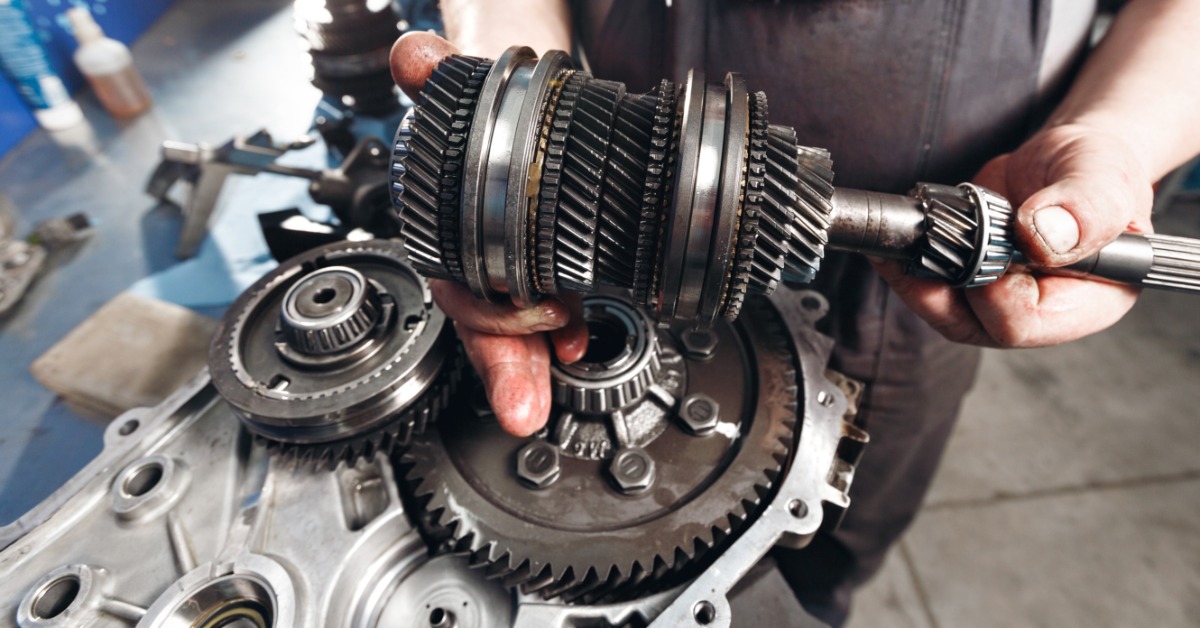
Gearboxes work hard behind the scenes. They keep conveyors, hoists, mixers, pumps, and other equipment moving through long shifts and demanding schedules. When a facility runs at full speed, maintenance teams don’t always have extra time to stop and inspect every component. Still, small maintenance habits can protect uptime and reduce expensive surprises.
A gearbox doesn’t usually fail without warning. It often gives clues through sound, heat, vibration, oil condition, or performance changes. When your team knows what to watch for, you can catch problems before they shut down production. Check out these gearbox maintenance tips for busy facilities to keep things running smoothly.
Check Lubrication Often
Good lubrication helps gears move smoothly and reduces friction inside the gearbox. When oil levels drop or contamination enters the housing, gears can overheat and wear faster. Make lubrication checks part of a routine, especially on equipment that runs daily.
Your team should look for leaks around seals, gaskets, and drain plugs. A small oil spot near a machine can point to a larger issue inside the gearbox. Check oil color and consistency, too. Dark, gritty, or foamy oil can signal contamination, breakdown, or moisture intrusion.
Listen for Changes
Busy facilities create a lot of background noise, but unusual gearbox sounds deserve attention. Grinding, whining, knocking, or rattling can point to worn gears, bearing issues, misalignment, or lubrication problems.
Operators often notice these changes first because they work near the equipment every day. Encourage your team to report new sounds right away instead of waiting for the next scheduled inspection. Fast communication helps maintenance teams respond before damage spreads.
Watch Heat and Vibration
Excess heat can shorten gearbox life. Touchless temperature tools make quick checks easier, and they help teams spot heat changes without interrupting production. A gearbox that runs hotter than normal may need fresh oil, alignment correction, or a closer inspection.
Vibration can also reveal trouble. Loose mounts, worn bearings, and gear damage can change how equipment feels during operation. Catching gear tooth wear early helps your team avoid more serious damage that can affect shafts, bearings, and connected equipment.
Keep Loads Under Control
Gearboxes perform best when facilities use them within their intended limits. Overloading equipment can strain gears and create premature wear. Sudden starts, shock loads, and frequent jams can also place extra stress on internal parts.
Review operating conditions when a gearbox needs repeated repairs. The issue may come from how the equipment runs, not just from the gearbox itself. Better training, smoother startup procedures, and jam prevention can help protect lasting industrial components.
Schedule Practical Inspections
Maintenance teams don’t need complicated routines to make progress. A practical inspection schedule can cover oil levels, seals, mounting bolts, alignment, noise, heat, vibration, and visible wear. Keep notes after each check, so your team can spot patterns over time.
Don’t rely on memory when multiple people service the same equipment. Clear records help everyone understand what changed, what needs follow-up, and which gearboxes need closer attention.
Build Better Habits
Gearbox maintenance will help any busy facility avoid breakdowns. Simple checks can reveal problems early and help equipment run with fewer interruptions.
A busy facility needs dependable machinery. With consistent lubrication checks, careful listening, heat monitoring, load control, and practical inspections, your team can keep gearboxes working longer and prevent avoidable shutdowns.