


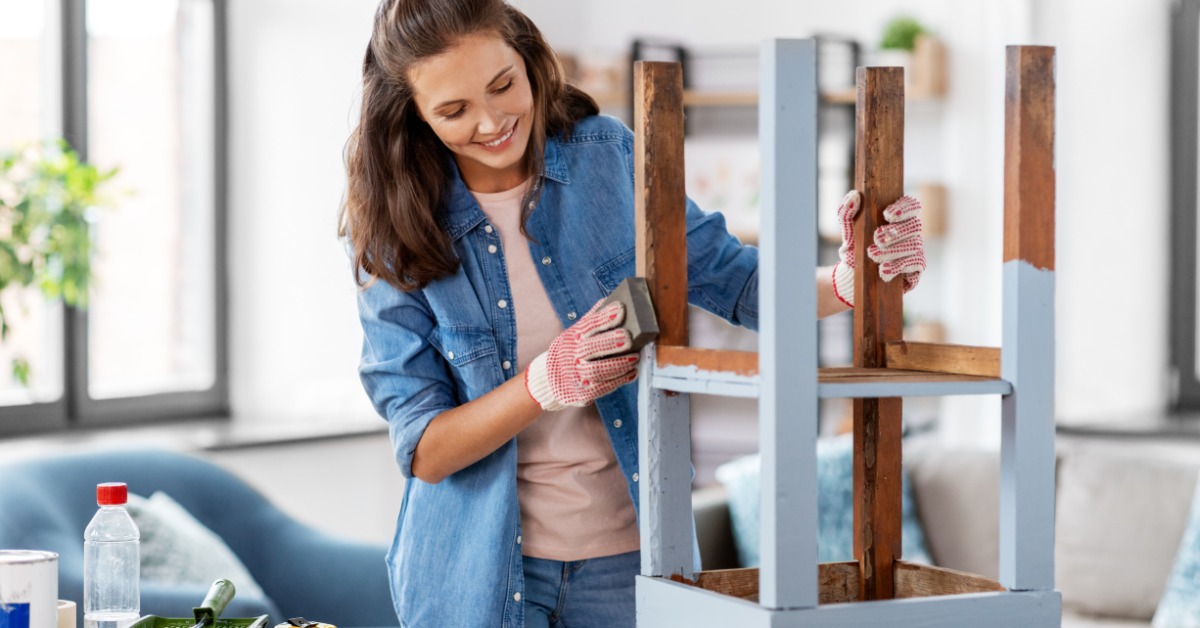
Owning a home means eventually dealing with something that drips, sticks, cracks, loosens, or simply stops working the way it should. Not every problem requires a professional, though. Learning a few DIY repair skills every homeowner should know makes routine maintenance less intimidating.
The key is knowing how to make straightforward repairs and when a project is beyond DIY territory. From filling holes to tightening hardware, these practical skills are useful in nearly every home.
Patching Small Holes in Drywall
Small nail holes, dents, and minor drywall damage are common, especially after moving furniture or changing wall decor. Fortunately, basic patching is relatively approachable.
For tiny holes, lightweight spackle and a putty knife may be enough. Larger holes can require a patch or backing material before joint compound is applied. Once the repair dries, sanding the area smooth and applying primer and paint helps it blend with the surrounding wall.
The most important lesson is patience. Thick applications take longer to dry and may leave a noticeable bump, while several thin layers generally provide more control.
Stopping a Minor Faucet Leak
A dripping faucet wastes water and quickly becomes annoying. Many faucet leaks originate from worn washers, O-rings, cartridges, or other replaceable internal components.
Before disassembling anything, homeowners should know where the fixture’s shutoff valves are located. Closing the water supply and plugging the drain prevent two common DIY mishaps: an unexpected spray of water and a tiny screw disappearing down the pipe.
Take a photo before removing complicated parts. That simple step provides a useful reference when it is time to put everything back together.
Learning Basic Caulking
Caulk creates a flexible seal around tubs, showers, sinks, windows, backsplashes, and other areas where water or air could enter a gap. Old caulk may eventually crack, shrink, discolor, or pull away from the surfaces around it.
Replacing it properly requires more than adding a fresh bead on top. Old material should be removed so the new caulk can adhere to a clean, dry surface.
Learning to apply a consistent bead is a useful home maintenance skill. It can improve the material’s appearance while helping protect areas that routinely encounter moisture.
Understanding Adhesives and Surface Preparation
Knowing how to glue something is as important as knowing how to prepare it. Dirt, oil, moisture, dust, old finishes, and loose material can all interfere with adhesion.
Homeowners should recognize that one adhesive will not work equally well on every material. Wood, metal, concrete, fiberglass, ceramic, glass, and plastic have different characteristics. Even within one category, results can vary considerably.
For projects involving epoxy, understanding which surfaces accept epoxy coatings can help determine whether a repair is practical and what preparation may be necessary. Some common materials bond readily when properly prepared, while certain plastics and contaminated or flexible surfaces can be much more difficult.
Fixing Loose Doors and Cabinet Hardware
A cabinet door that sags or a room door that rubs against its frame may look like a major alignment problem, but sometimes the cause is simply loose hardware. Learning to inspect hinges, handles, knobs, drawer pulls, and mounting screws can solve many small annoyances.
Tightening a screw may be all that is required. However, a screw that spins without tightening can indicate that its hole has become stripped and needs repair. Homeowners should avoid overtightening hardware, as too much force can strip screws, crack wood, or damage a fixture.
Resetting a Tripped Circuit Breaker Safely
Homeowners should know where the electrical panel is located and how to identify a tripped breaker. A breaker that has tripped may sit between its normal on and off positions. Resetting typically involves switching it fully off and then back on.
What matters just as much is recognizing when not to keep resetting it. A breaker that trips repeatedly may indicate an overloaded circuit or electrical fault requiring professional attention.
The same caution applies to lighting problems. Routine lighting maintenance tasks, such as cleaning fixtures and replacing appropriate bulbs, are reasonable homeowner jobs. Burning smells, unusually warm switches, repeated breaker trips, or persistent electrical problems are reasons to call an electrician rather than experiment.
Unclogging Simple Drains
A slow sink or shower drain does not always require harsh chemical cleaners. Hair and debris near the drain opening are frequent culprits and can sometimes be removed mechanically.
Homeowners should know how to remove and clean accessible stoppers, use a basic drain snake, and safely clean a sink trap when appropriate. A plunger is another simple tool worth knowing how to use correctly. Recurring clogs, multiple backed-up drains, sewage odors, or water appearing where it should not are signs that the problem may be deeper in the plumbing system.
Making Small Wood Repairs
Minor chips, scratches, loose joints, and small holes in wood eventually appear throughout a home. Different problems call for different solutions, including wood filler, adhesive, sanding, touch-up products, or replacement hardware.
Before repairing wood, determine whether the damage is merely cosmetic. Soft, crumbling, damp, or extensively damaged wood can indicate moisture exposure or deterioration that needs to be addressed before the surface is patched. A cosmetic repair should never hide an active problem.
Using Tools Correctly
Many DIY repair skills every homeowner should know ultimately depend on a small collection of familiar tools rather than a huge workshop. Homeowners benefit from knowing how to use screwdrivers, adjustable wrenches, pliers, utility knives, levels, tape measures, stud finders, putty knives, and cordless drills.
Tool knowledge also includes choosing the correct bit, fastener, or attachment. Using the wrong screwdriver bit, for example, can strip a screw head and turn a five-minute repair into a frustrating extraction job.
Protective equipment matters, too. Eye protection, gloves, ventilation, and other precautions should be chosen according to the task and materials involved.
Knowing When To Call a Professional
Perhaps the most valuable repair skill is recognizing the limits of a DIY project. Cosmetic fixes and routine maintenance are very different from structural, electrical, gas, roofing, or major plumbing work.
A good homeowner does not need to know how to fix everything. The goal is to understand the home well enough to handle manageable tasks, notice warning signs early, and bring in qualified help when the stakes are higher. With a few dependable repair techniques and a willingness to learn, everyday home maintenance becomes much easier to manage.