


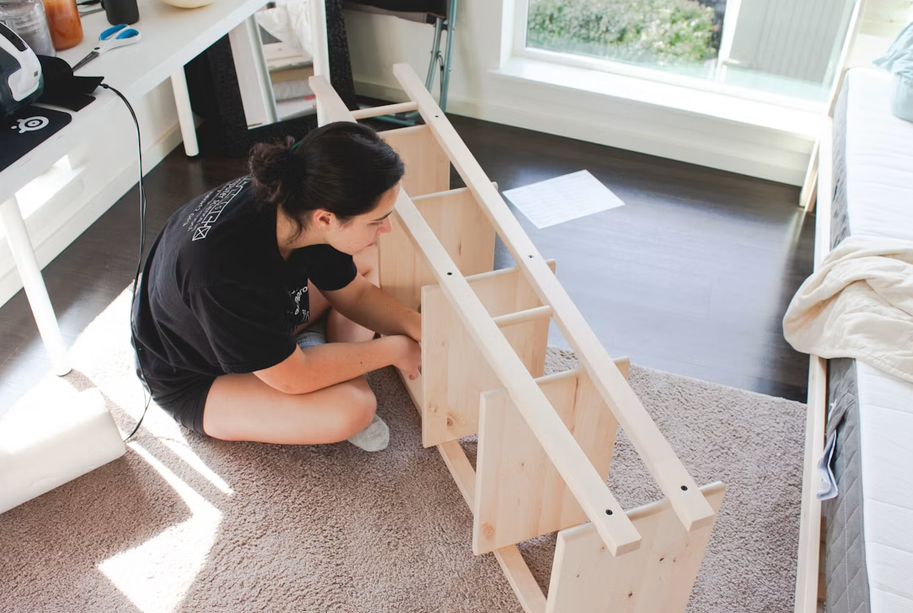
The satisfaction of completing a project with your own two hands is a powerful feeling. From assembling flat-pack furniture to painting a room, tackling tasks yourself can save money and give you a huge sense of accomplishment.
But there’s a fine line between a rewarding weekend project and a costly disaster. Knowing when to roll up your sleeves and when to pick up the phone is the true mark of a savvy DIYer.
The Joy of Building and Fixing
There’s a special pride that comes from fixing something broken or building something new. Beyond saving money, DIY projects let you learn new skills, understand how things work, and customise your space exactly how you like it.
Every time you look at that perfectly painted wall or use the shelf you built, you get a little reminder of what you can do. This process builds confidence and can be a fantastic way to de-stress and focus your mind on a tangible goal.
Assessing Your Skills and Tools
Before you start tearing down a wall or dismantling an appliance, take an honest look at your skills and do some proper DIY project planning. Do you truly have the skills for the job? Watching a 10-minute online video isn’t the same as having hands-on experience.
Think about the tools you’ll need. Do you own them, or will you have to buy or rent them, adding to the cost? A good starting point is to master some essential DIY skills for basic home maintenance. If the project needs more expertise than you currently have, it might be time to pause and reconsider.
Complex Systems: Vehicles and Electronics
Some jobs involve systems that are too complex or specialised for the average DIY enthusiast. Modern home electronics, smart wiring, and integrated security systems often need specific knowledge to install and repair without causing bigger problems. The same goes for your vehicle, only more so.
While you might be able to top up your fluids or change a windscreen wiper, anything more involved is best left to a professional. Tampering with brakes, engine components, or the car’s computer can lead to dangerous failures and expensive repairs. For these critical tasks, you need a qualified mechanic who has the right diagnostic tools and expertise to do the job safely and correctly.
Safety First: Avoiding Costly Mistakes
The biggest argument against a gung-ho DIY approach is safety. Certain jobs carry significant risks if done improperly. Electrical work can lead to fire or electrocution, and incorrect plumbing can cause major water damage and health hazards. Structural changes to your home can compromise its integrity.
It’s not just about physical safety either; a botched job can end up costing you far more to fix than it would have to hire a professional in the first place. Knowing when to call a handyman or a specialist isn’t admitting defeat; it’s making a smart financial and safety decision.
Finding a Reliable Expert
Once you’ve decided to call in a professional, the next step is finding the right one.
Start by asking friends, family, or neighbours for recommendations. Always check for licences and insurance; this is non-negotiable for trades like electricians and plumbers. It’s wise to get at least three quotes for any significant job to compare costs and approaches.
Look for clear communication, detailed quotes that outline all costs, and a willingness to answer your questions. Online reviews can be helpful, but look for patterns in the feedback rather than relying on a single glowing or negative review.
Ultimately, the key to successful DIY is knowing your own limits. Being able to correctly identify which jobs are yours to conquer and which are best left to an expert is the most valuable skill you can develop.