


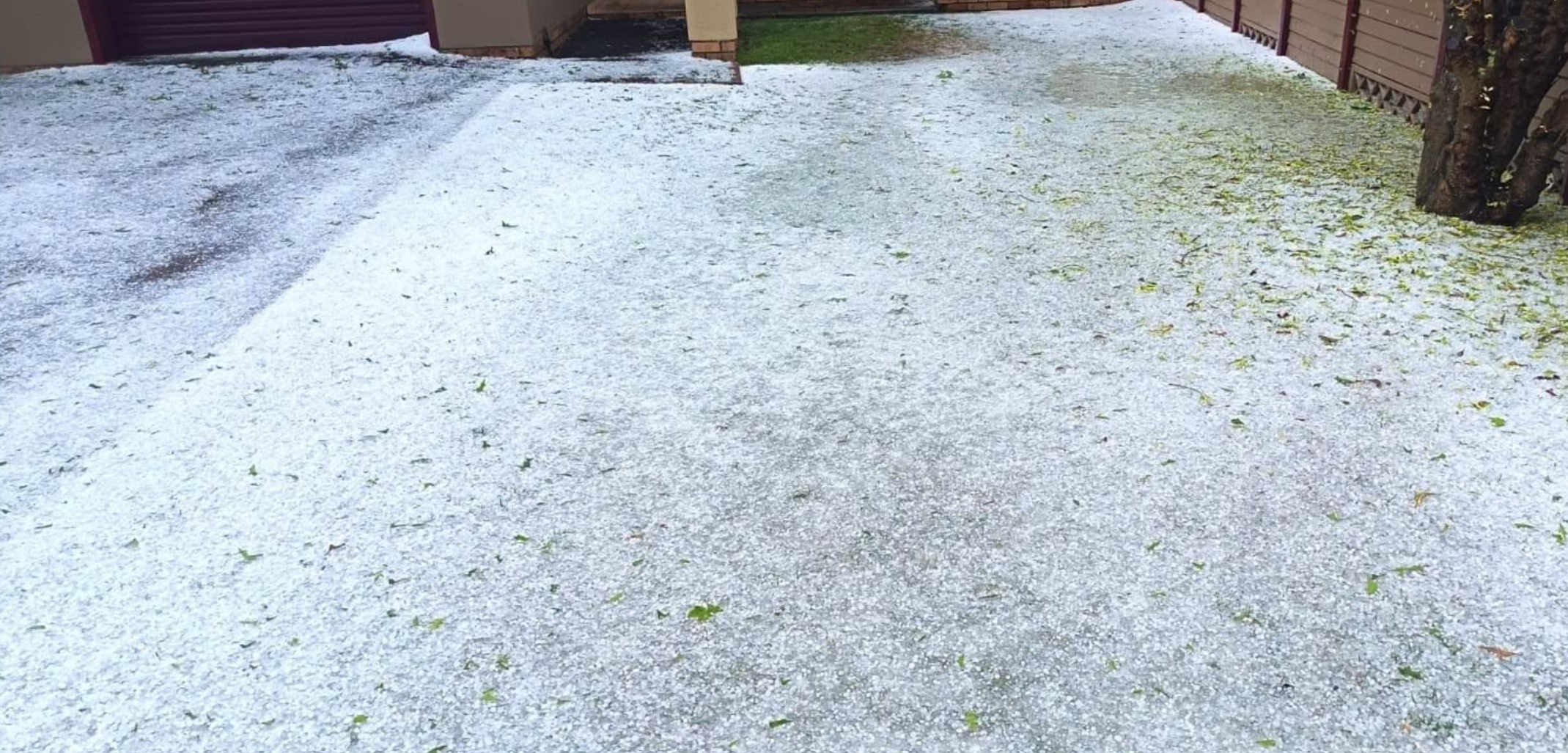
A hailstorm can leave a car covered in small dents, making an inexpensive repair kit tempting. But buying a puller and repairing a hail-damaged panel are different things. The useful comparison is not simply the price of a kit versus a shop estimate. It is what each approach can accomplish without creating more work.
DIY tools may improve some simple dents. Professional paintless dent repair, usually called PDR, offers a more controlled approach to assessing and reshaping damaged panels. Understanding the difference helps car owners set realistic expectations before touching the finish.
Why hail damage needs a closer look
A panel that looks lightly damaged in direct sunlight can look quite different under angled lighting. Hail may leave dents across several panels, with variations in depth, shape, and location. A shallow depression in an open area presents a different repair challenge from one on a sharp body line.
Paint condition matters, too. PDR aims to reshape the metal without refinishing the panel, so cracked or chipped paint changes the repair discussion. Previous repainting is also something to disclose during an assessment.
Before trying any repair, photograph the car from several angles and note visible damage to glass, lights, and trim. A dent-removal kit addresses none of those problems. Broken glass or other damage that affects safe operation deserves attention separately from cosmetic dents.
What a DIY kit actually offers
Consumer kits commonly use suction cups or glue tabs to pull outward on a dent. They offer a low-cost way to attempt an improvement, but they do not replace the judgment needed to control the panel’s shape.
A broad, shallow dent on an accessible, relatively flat area is a more plausible candidate than a tight crease or several overlapping dents. Even then, appearance alone does not establish whether a particular tool will work. There is no reliable coin-size rule that makes every small dent a safe home repair.
The distinction is between moving metal and leveling it. A pull may raise the center while leaving an uneven outline or creating a high spot. Professional PDR can also involve glue pulling, but the tool is only part of the process. Reading the surface and correcting the surrounding shape are equally important.
For anyone considering a kit, the manufacturer’s limitations and warnings matter. An unknown paint history or an unclear tool fit is a reason to stop, not pull harder. Internet tricks involving extreme heat or cold are not substitutes for a repair assessment.
What professional PDR adds
A technician evaluates the dent pattern, panel material, paint condition, and access before recommending a method. Depending on the damage, the work may involve specialized tools behind the panel, controlled pulls from the outside, and adjustments to raised areas.
Lighting helps the technician see distortions that ordinary viewing can miss. The goal is not merely to make the dent less obvious from one direction, but to restore the panel’s contour while preserving suitable existing paint.
Neither aluminum nor a body-line dent should be treated as an automatic verdict from a home inspection. Those details affect the assessment, but a qualified technician should explain what is repairable and what outcome is realistic. Some damage calls for conventional body repair or a combination of methods rather than PDR alone.
When comparing a hail specialist such as 888 PDR with a home kit, ask what the proposed repair includes. Useful questions cover panel access, any necessary trim removal, the expected finish, and written warranty terms. A clear explanation is more useful than a promise that every dent will disappear.
Compare the full cost, not just the tool price
A kit’s purchase price is easy to see. The harder costs are time, an unfinished result, and any additional work needed after an unsuccessful attempt. A professional estimate should explain the scope of repairs rather than leave the owner comparing two bare numbers.
Ask whether the estimate includes all affected panels and any necessary disassembly. Also ask how the shop handles damage discovered during a closer inspection. These details help distinguish a preliminary quote from a complete repair plan.
Insurance is a separate consideration. Hail claims generally involve comprehensive coverage, but policy terms, deductibles, and claim decisions depend on the insurer and individual contract. A repair costing more than a deductible does not by itself establish coverage. Questions about coverage belong with the insurer; questions about repair methods belong with the shop.
A practical way to decide
Start with an assessment when there are numerous dents, damaged paint, uncertain repair history, or dents along complex curves. An inspection can clarify whether PDR is suitable before a home attempt changes the damage.
DIY is easier to consider when the mark is simple, the tool is appropriate, and an imperfect cosmetic improvement would be acceptable. It is less appealing when preserving the finish and achieving a consistent result across multiple panels are the priorities.
For hail damage, the best first step is often documentation and a professional evaluation rather than buying tools. That leaves the decision open while giving the owner a clearer picture of the repair, its limits, and the likely work involved.

. Explore costs, limitations, and how to choose the right repair approach.)