


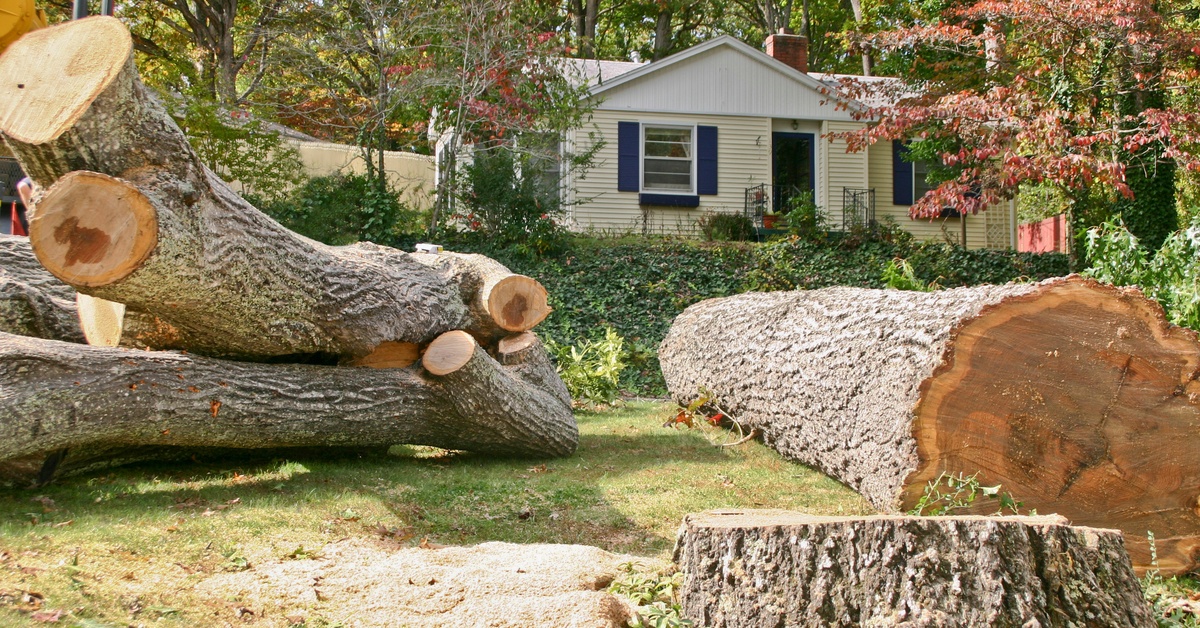
A mature tree can add character to a property while providing shade and supporting the surrounding landscape. However, aging trees sometimes develop problems that make continued maintenance difficult or potentially dangerous.
For property owners weighing costs against long-term benefits, questioning when tree removal is worth the investment becomes an important financial and practical question. The answer depends on tree health, surrounding structures, available alternatives, and the potential consequences of delaying necessary work.
Recognize When a Tree Becomes a Liability
Healthy trees often provide benefits that justify ongoing maintenance expenses. They can improve outdoor comfort, contribute to curb appeal, and support local wildlife. However, significant structural defects or declining health may change that calculation. Property owners should assess whether the tree remains an asset or presents increasing risks.
Large dead branches, extensive decay, and major structural damage can signal a need for professional evaluation. A tree that leans noticeably after a storm may also require prompt attention, particularly when its root system shows signs of movement. These symptoms don’t automatically mean removal represents the only responsible option. A qualified arborist can assess the situation and explain whether pruning, monitoring, or other treatments remain appropriate.
Compare Removal Costs With Potential Property Damage
Tree removal can involve substantial upfront expenses, especially when crews must work near buildings or electrical infrastructure. Pricing depends on factors, such as height, accessibility, condition, and the equipment required. Some projects also involve stump grinding, debris disposal, or additional landscape restoration. Requesting detailed estimates helps owners understand the complete financial commitment.
However, the immediate removal price represents only one side of the decision. A hazardous tree could damage roofing, fencing, vehicles, or other structures if it fails. Falling branches may also threaten people who regularly use the surrounding space. Evaluating these potential consequences can provide useful context when deciding whether professional removal makes financial sense.
Understand the Financial Impact of Tree Disease
Certain diseases and invasive insects can severely affect tree health over time. Emerald ash borer infestations, for example, have caused extensive ash tree mortality across numerous American communities. As affected trees deteriorate, their structural condition can complicate removal work. Early evaluation may provide more options and help owners avoid difficult last-minute decisions.
Property owners should also investigate available local resources before committing to major expenses. Information about funding assistance for Omaha ash removal illustrates how community-specific programs and eligibility requirements can influence tree management decisions. Assistance opportunities vary by location, funding availability, and property circumstances. Owners should verify current program details directly with the relevant municipality or administering organization.
Consider the Effects of Seasonal Weather
Weather conditions can expose weaknesses that property owners may not notice during ordinary inspections. Heavy snow, ice accumulation, and strong winds place additional stress on branches and trunks. Freeze-thaw cycles may also affect soil conditions and reveal existing structural problems. These changes make seasonal assessments particularly useful in regions with demanding winters.
Homeowners often need to deal with dead trees after winter when storms reveal broken limbs or worsening deterioration. Spring provides an opportunity to inspect visible damage before outdoor activities increase around the property. However, dangerous conditions should receive prompt professional attention regardless of the season. Delaying an urgent assessment simply to wait for warmer weather may increase exposure to avoidable risks.
Determine Whether Maintenance Offers Better Value
Removal isn’t always the most economical or environmentally responsible solution. Some trees benefit from selective pruning, structural support, or treatment for manageable health conditions. These measures can extend useful life while preserving valuable landscape features. The decision should reflect the tree’s condition rather than a general preference for clearing space.
Before choosing removal, consider several practical questions, such as:
- Does a qualified arborist identify a significant structural or health concern?
- Could targeted pruning reduce the immediate risk?
- Does the tree threaten a frequently occupied area or valuable structure?
- Will ongoing treatment cost more than its likely long-term benefits justify?
- Would removal require permits or replacement planting under local rules?
These questions organize the decision without replacing a professional assessment. Property owners should request clear explanations of recommended work and expected outcomes. Comparing reasonable alternatives can prevent unnecessary spending. It also supports more responsible management of established trees.
Account for Insurance and Legal Considerations
Insurance coverage can affect the financial consequences of tree-related incidents, but policies vary significantly. Some policies cover certain forms of damage caused by falling trees while excluding routine preventive removal. Owners should review their documents rather than assume that all tree-related expenses qualify for reimbursement. An insurance representative can clarify relevant coverage and claim requirements.
Local ordinances may also restrict the removal of protected or historically significant trees. Some communities require permits for trees that meet specific size or species criteria. Property boundaries introduce additional complications when trunks, branches, or roots affect neighboring land. Understanding these requirements before scheduling work can prevent disputes and unexpected expenses.
Evaluate the Benefits of Reclaiming Outdoor Space
Not every removal decision begins with a safety concern. Property owners sometimes need to accommodate construction, improve accessibility, or address conflicts between roots and existing infrastructure. In these situations, removal may support a broader improvement project. The potential benefits should still justify losing an established landscape feature.
For example, a tree that significantly interferes with a planned driveway may require careful consideration. Alternative layouts could preserve the tree while meeting the project’s practical goals. When preservation proves unrealistic, removal may create a more functional property arrangement. Comparing design options beforehand helps owners avoid unnecessary landscape changes.
Choose Professional Services Carefully
Tree removal involves specialized equipment and potentially serious hazards. Property owners should avoid attempting complicated removals without appropriate training and resources. Professional crews can assess access restrictions, identify surrounding hazards, and establish suitable work procedures. Their planning becomes especially important near buildings, utilities, or public spaces.
When comparing contractors, request written estimates that explain the proposed scope of work. Confirm relevant insurance coverage, qualifications, and responsibilities for debris removal. Ask whether the quoted price includes stump work or additional site restoration. Clear expectations may prevent misunderstandings once the project begins.
Tree removal becomes a worthwhile investment when the benefits of addressing a serious problem outweigh the value of continued preservation. Safety concerns, disease progression, property improvements, and financial considerations all influence the decision. Professional evaluations help owners distinguish necessary work from situations where maintenance remains appropriate. Making a sound investment in tree removal requires balancing immediate expenses with long-term property protection and responsible landscape management.