


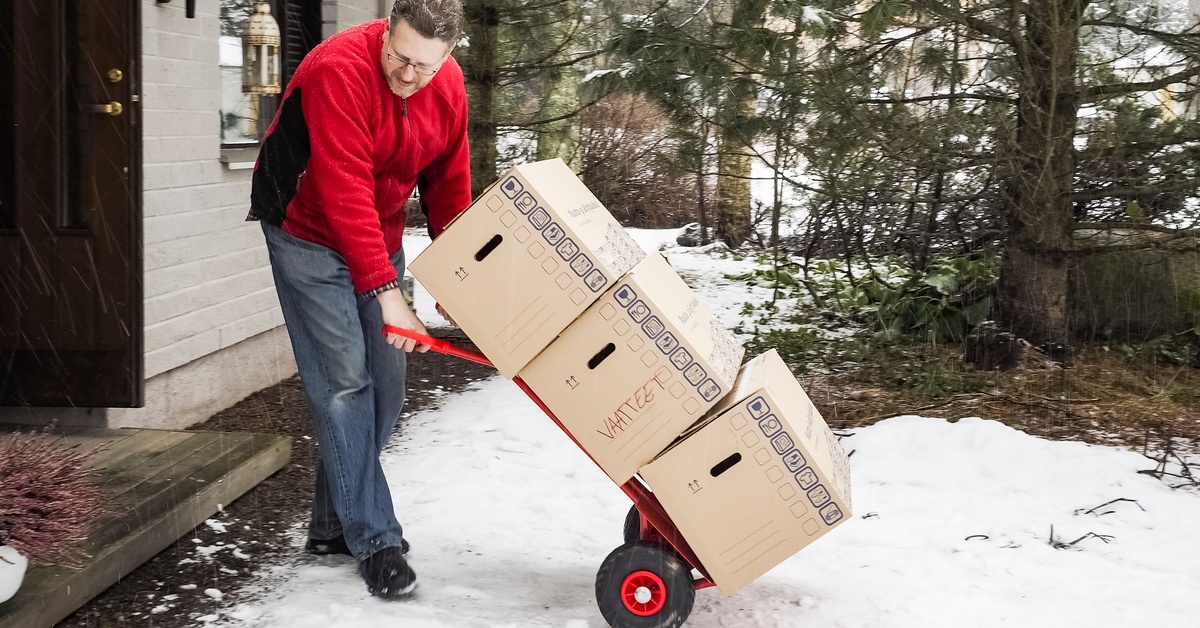
Moving is already a stressful experience, but it comes with extra challenges if you’re trying to take care of everything during the colder months. Lower temperatures mixed with potential snowfall and icy conditions require more planning and care to maintain a safe and successful relocation. Here are a few tips for moving during the winter months that can help the process go more smoothly and help you settle in without any major setbacks.
Plan for Inclement Weather
External weather conditions are one of the biggest factors when moving in the winter season. You can avoid mishaps by checking the forecast in your new and current locations in the days leading up to your move. It’s a smart idea to have a backup plan in case of a severe storm or snowfall.
Depending on the weather, you may need to schedule an alternate moving day with your moving company or delay the trip if you’re moving yourself. You can prepare your home for professional packers by clearing ice and snow from your driveway, walkways, and sidewalks to create a safe path for everybody. Consider keeping some salt on hand to treat slippery spots and avoid mishaps on moving day if you’re dealing with a lot of snow.
Protect Your Belongings and Your Home
Cold weather can damage sensitive items. The most commonly affected items are electronics, wooden furniture, and certain liquids that are at risk in freezing temperatures. Pack these items securely and try to limit their exposure to the cold. Professional movers often use padded blankets to wrap furniture, which provides a layer of insulation.
You can protect the floors in both your new and old homes by laying down cardboard, plastic sheeting, or tarps at the entrances. These can help keep slush, salt, and mud out of your home, which could also damage carpets or scratch hardwood floors.
Prepare Your Vehicle and Travel Kit
Another tip for moving during the winter months is to prepare the things you need when traveling. Make sure you winterize your vehicle if you’re driving yourself to your new home. Check your tires, fluid levels, and battery before you hit the road. Pack a winter emergency kit for your car that includes blankets, extra warm clothing, water, snacks, a first-aid kit, a shovel, and an ice scraper.
Always try to plan your travel route well in advance and let friends or family know about your expected arrival time. You should also charge your phone before you leave and bring a portable power bank. This preparation ensures you are ready for any unexpected delays or emergencies along the way.
You should also pack a box that serves as your travel kit. This box should include a few essentials that you’ll need in your house if you’re waiting for things to arrive. These are essential items for your new home and may include small things, such as a toothbrush, to large sleeping bags or small camping appliances for cooking. Preparing a few items lets you start settling in without relying on takeout or needing to run to the store.
By taking these extra precautions, you can handle the complexities of a winter move with confidence. A successful move allows you to start the next chapter in your new home on a positive and organized note.