


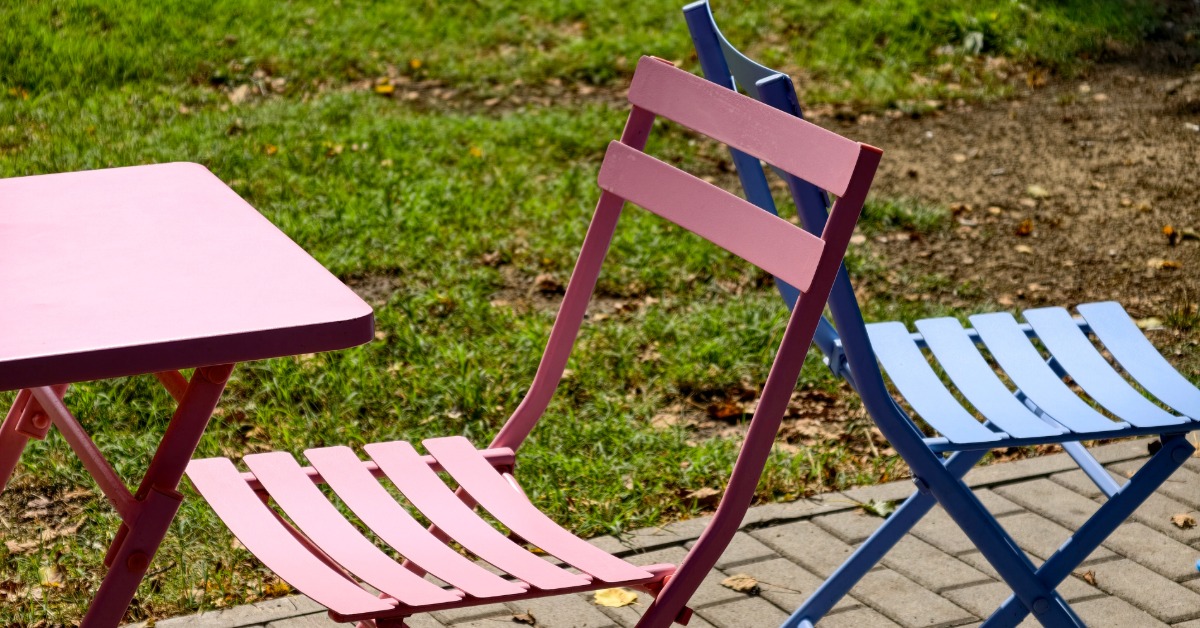
When furniture or equipment spends much of its life outside, it encounters conditions that the average indoor product avoids. Rain reaches exposed surfaces, and seasonal temperature changes repeatedly alter the environment surrounding each component. Products that spend only part of the year outdoors still need designs that account for conditions manufacturers cannot control once an item leaves the factory.
Examining what makes outdoor products built for the elements means looking beyond whether something carries an “outdoor” label. Manufacturers need to anticipate where people will use a product and what it will encounter there, then develop the design around those realistic conditions.
Outdoor Use Changes the Design Problem
Designing something for indoor use gives manufacturers a relatively predictable setting. A chair in a dining room typically avoids direct rainfall and prolonged exposure to outdoor moisture. Move a similar product onto a patio, and its surroundings change considerably even though people still expect it to perform the same basic function.
Defining the intended environment early gives designers a clearer idea of what the product must handle. Equipment that occasionally leaves a garage encounters different conditions from something that stays outside throughout the year. The length and frequency of exposure can therefore shape later decisions, making the intended setting part of the design problem from the beginning.
Water Can Reach More Than the Obvious Surfaces
Although rain makes moisture an easy outdoor concern to recognize, designers cannot focus exclusively on the surfaces facing upward. Water can travel along components or collect where pieces meet, allowing moisture to reach areas that initially appear relatively protected.
Product structure can influence where that water goes after it reaches the surface. Designers may provide a path for water to leave an enclosed area or arrange components in ways that reduce unnecessary collection. Similar preparation matters when people prepare for windy weather during outdoor events because favorable conditions cannot serve as the plan. Manufacturers work with the same basic reality when they design products for an environment that can change without warning.
Material Choices Need To Match the Environment
Once designers know the type of exposure a product will encounter, they can decide which materials make sense for each part. A material that performs well inside does not automatically suit outdoor conditions simply because the manufacturer changes its appearance. Designers need to consider both the job of a component and the environment surrounding it.
Different parts of the same product may call for different solutions. The structural framework might need characteristics that matter less for a surface someone regularly touches, allowing manufacturers to choose each material according to its function. Dividing those responsibilities gives the design more flexibility than asking one material to meet every requirement throughout the product.
Metal Components May Need Surface Protection
When structural steel becomes part of an outdoor product, manufacturers must consider moisture as it can create corrosion concerns for bare steel, so surface protection may become part of the specification when designers expect a component to encounter outdoor conditions.
Manufacturers sometimes specify Flo-Coat steel tubing for OEMs when an application calls for galvanized tubing with additional corrosion protection. Manufacturers can then fabricate the coated tubing into components for the finished design. The intended environment influences the component long before anyone began using the finished product.
Temperature Changes the Conditions Around a Product
Outdoor products encounter a much wider temperature range than objects that stay inside climate-controlled spaces. Direct summer sun can heat exposed materials considerably, while cold weather changes the conditions in the opposite direction. Designers therefore need to consider the temperatures a product may encounter in the locations where people are likely to use it.
Products containing more than one material require additional thought because neighboring components may respond differently as the temperature changes. Designers have to account for those differences where materials meet, so the complete product continues working through expected seasonal conditions. The concern extends beyond whether a surface feels hot or cold to the touch because temperature affects the environment surrounding the product itself.
Moving Parts Face Additional Outdoor Demands
Products that fold or adjust introduce another consideration because their components must continue moving after outdoor exposure. A folding chair depends on its mechanism whenever someone opens it for use, whereas a cart needs its moving connections to function each time someone puts it to work.
Thinking about movement changes where designers direct their attention. Moisture or debris can reach the spaces where components meet, potentially affecting areas involved in regular operation. Accounting for how people will move or adjust the product gives manufacturers a more realistic basis for designing these connections than evaluating the object only while it sits stationary.
Maintenance Starts With Decisions Made During Design
Even a well-designed outdoor product will eventually require some care because exposure does not stop after the manufacturing process ends. Depending on the item, an owner may need to clean accumulated debris or move it into storage before particularly severe weather. Manufacturers can account for those predictable tasks when determining how people will access and handle the finished product.
Design decisions can make routine upkeep easier without pretending that any product can withstand unlimited exposure. Areas likely to collect debris can remain accessible for cleaning, while a product that owners commonly store between seasons can use a construction that makes relocation practical. Manufacturers cannot determine how every customer will care for an item, but they can avoid making ordinary maintenance unnecessarily difficult.
Outdoor Design Starts With the Conditions Outside
Putting a product outdoors changes what manufacturers have to ask of it, even when its basic purpose looks no different from an indoor version. A chair still needs to provide a place to sit, for instance, but leaving it on a patio introduces weather exposure that can influence how manufacturers build it. Designing with its actual surroundings in mind gives the product a better foundation for everyday outdoor use.
The real measure of what makes products built for the elements appears once they leave the controlled environment of the factory. Manufacturers cannot choose the weather their products will encounter, but they can design with those conditions in mind from the beginning. When outdoor exposure informs the way they build an item, the finished product enters the real world ready for the setting where people intend to use it.