


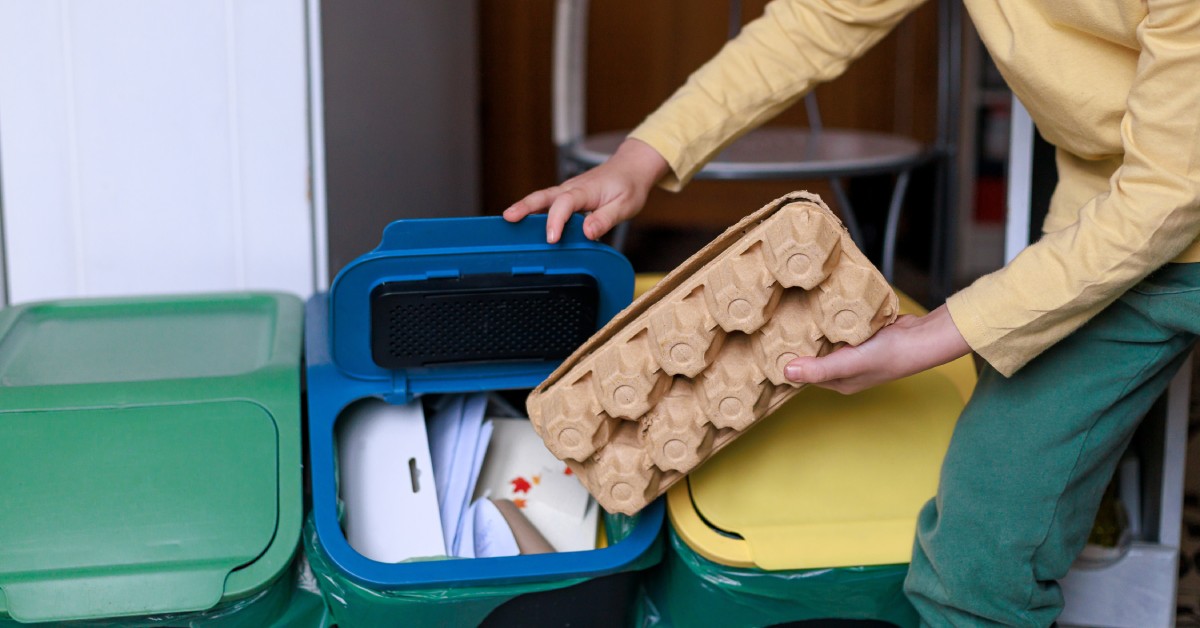
2026 brings new opportunities to rethink our daily routines. Whether you spend your weekends restoring vintage cars, curating art galleries, or simply enjoying a glass of Cabernet with friends, you generate waste. Most people want to help the planet, but good intentions often lead to confusion at the bin. We toss items in, hoping they find a second life, but modern recycling requires precision. Read on to learn how to improve your recycling habits in 2026.
Master the Local Rules
Municipalities update their guidelines frequently. Technology in sorting facilities changes, and global markets for recycled materials shift. What your city accepted two years ago might go straight to the landfill today.
Take five minutes to look up your local sanitation department’s latest list. You might find that you can no longer recycle certain plastics, or perhaps they finally accept those pizza boxes you used to throw away. For the wine enthusiasts out there, check if you need to separate corks from bottles, as natural cork is biodegradable but often requires a specific drop-off point.
Audit Your Workspace
We spend a massive chunk of our lives working, yet we often leave our eco-friendly habits at home. If you work in project management or run a small business, you have the power to influence a larger volume of waste than just your household trash.
Take the initiative and create a recycling program for your company to handle paper, electronics, and breakroom waste. Make the bins accessible and clearly label them so colleagues don’t have to guess.
For individuals in specific industries like automotive repair or industrial art studios, waste gets a little more complex. You deal with harsh chemicals and fluids that can’t go down the drain. Specialized services exist for this exact reason. In fact, solvent recycling improves business sustainability by recovering usable chemicals for reuse, which cuts costs and protects the environment.
Stop Wish-Cycling
Wish-cycling happens when you toss something in the blue bin because you hope it is recyclable, even when you aren’t sure. This actually causes more harm than good. A nonrecyclable item can contaminate an entire batch of materials, forcing the facility to send the whole load to the landfill.
If you organize weddings or large events, you see this happen on a massive scale. Guests throw napkins, food scraps, and plastic cups into the same bin. To combat this, follow these rules:
- Rinse Everything: Food residue destroys the value of recyclables.
- Separate Materials: Remove plastic tape from cardboard boxes.
- Check the Number: Look for the resin identification code on plastics (the number inside the triangle).
Focus on Reduction First
The most effective way to improve your recycling habits in 2026 is to have less to recycle in the first place. When you buy gear for your car, look for minimal packaging. If you love music, consider digital downloads over physical media, or buy second-hand vinyl.
Artists can look for suppliers who take back empty containers. Project managers can switch to digital documentation to save paper. Every item you refuse to bring into your home or office is one less item you have to worry about sorting later.
Your impact grows with every correct decision you make at the bin. By learning the local rules, addressing waste at work, and stopping contamination, you become part of the solution. Start small, stay consistent, and watch your footprint shrink in 2026.