


Keeping your vehicle looking its best requires more than an occasional car wash. Everyday driving exposes its exterior to sunlight, road debris, and changing weather conditions that can gradually affect its appearance. Fortunately, maintaining a clean, attractive car finish doesn’t have to be complicated.
Creating a long-term vehicle exterior care routine protects your vehicle’s paint, prevents unnecessary wear, and preserves its appearance. With consistent cleaning, proper protection, and seasonal adjustments, you can keep your car looking great without spending every weekend detailing it.
Establish a Consistent Washing Schedule
Regular washing is one of the easiest ways to maintain your vehicle’s exterior. Dirt, road salt, and environmental contaminants accumulate on painted surfaces, potentially causing staining or deterioration when left untreated.
For most drivers, washing every two weeks is a reasonable starting point. However, vehicles frequently exposed to road salt, construction dust, or heavy pollution may need more attention.
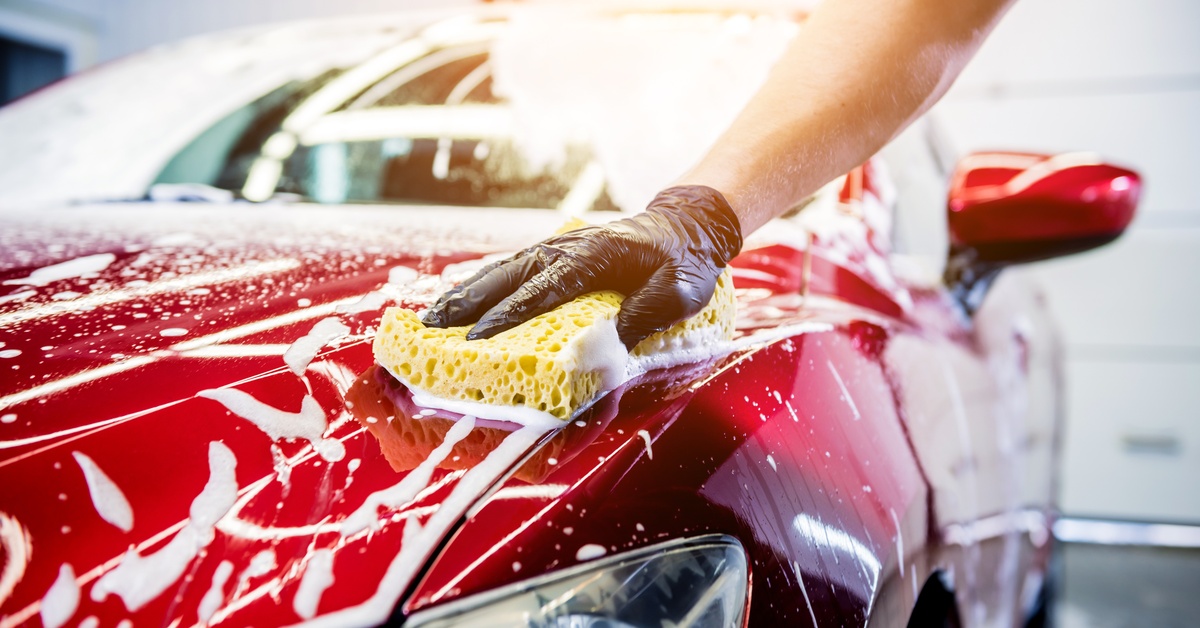
Use automotive-specific shampoo and a clean microfiber wash mitt. Rinse loose debris before washing, work from the roof downward, and use separate cleaning tools for the wheels. After rinsing, dry the vehicle with a soft microfiber towel to minimize water spots. Whenever possible, wash in the shade while exterior surfaces are cool, as this prevents cleaning products from drying too quickly and leaving residue behind.
Monitor Your Vehicle’s Paint Condition
Even with regular washing, vehicle paint can develop imperfections over time. Swirl marks, fine scratches, water spots, and fading can make a clean vehicle appear dull.
Inspecting the paint under natural daylight can help identify these issues early. Pay attention to uneven reflections, rough surfaces, discoloration, and unusual changes in the finish.
Paint bubbling deserves particular attention because it may indicate moisture intrusion, corrosion, or problems beneath the surface. Understanding the reasons bubbles form in automotive paint allows you to distinguish cosmetic imperfections from damage requiring professional repairs.
Understand When Paint Correction Is Appropriate
Some paint imperfections cannot be removed through washing alone. Paint correction uses specialized polishing techniques to reduce certain clear-coat defects and improve surface reflections.
Recognizing how paint correction restores gloss and clarity explains why polishing improves light scratches, swirl marks, and oxidation. However, deeper scratches, peeling paint, and underlying corrosion may require more extensive repairs.
Paint correction shouldn’t become a frequent maintenance task because polishing removes a small amount of clear coat. Preventing damage through careful washing and protective treatments is generally better than repeatedly correcting it.
Choose the Right Paint Protection
Applying suitable paint protection preserves your vehicle’s finish and makes routine cleaning easier. The best option depends on your budget, driving conditions, and maintenance preferences.
Traditional Wax
Car wax enhances shine and provides temporary protection against environmental contaminants. It’s affordable and straightforward to apply, making it popular among vehicle owners who prefer maintaining their cars at home.
Depending on the product and exposure conditions, wax may need reapplication every few weeks or months. Following the manufacturer’s recommendations helps maintain consistent protection.
Paint Sealants
Synthetic paint sealants generally last longer than traditional waxes and can provide improved resistance to environmental contamination. They also help create a smoother surface that makes dirt easier to remove during regular washing.
Reapplication intervals vary depending on the product and environmental conditions. Following the manufacturer’s instructions leads to better protection.
Ceramic Coatings
Ceramic coatings provide a durable protective layer that improves water repellency and simplifies cleaning. However, they aren’t scratch-proof or maintenance-free. Coated vehicles still require regular washing, and coating longevity depends on product quality, application, environmental exposure, and maintenance practices.
Maintain Wheels, Trim, and Glass
Although paint receives most of the attention, other vehicle exterior components also require maintenance. Wheels collect brake dust and road grime that can become difficult to remove over time. Cleaning them regularly with compatible products preserves their finish.
Plastic and rubber trim can fade after prolonged exposure to sunlight and harsh weather. Appropriate cleaning products and exterior protectants maintain their appearance.
Windows and mirrors should be cleaned regularly with automotive glass cleaner and microfiber towels. Clear glass improves visibility, particularly at night and during poor weather. Inspect windshield wipers periodically and replace worn blades when they begin streaking or skipping. Keeping the windshield clean can also reduce blade wear.
Adjust Your Vehicle Exterior Care Routine Seasonally
Weather conditions influence how frequently your vehicle needs attention. Adjusting maintenance habits throughout the year minimizes avoidable damage.
Spring: Remove Winter Residue
Spring is an ideal time for thorough exterior cleaning, especially where road salt and deicing chemicals are common. Pay attention to wheel wells, lower body panels, and accessible underbody surfaces where corrosive residue may accumulate.
Inspect the paint for chips or scratches caused by winter driving. Addressing exposed areas early can help reduce corrosion risks.
Summer: Protect Against Sun Exposure
Strong sunlight and high temperatures gradually affect paint finishes and exterior trim. Parking in shaded or covered areas reduces prolonged ultraviolet exposure.
Remove insect residue and tree sap promptly to minimize staining. And avoid washing hot surfaces in direct sunlight because rapid drying can leave water spots.
Fall: Prepare for Colder Weather
Autumn provides an opportunity to inspect paint protection before winter arrives. Remove fallen leaves and organic debris from the windshield area, hood openings, and exterior crevices.
Address exposed paint chips to reduce corrosion risks. Checking exterior seals and trim can also identify areas needing attention before colder weather.
Winter: Control Salt and Road Grime
Winter maintenance should focus on removing road salt and corrosive contaminants. Wash the vehicle whenever temperatures safely permit, paying particular attention to lower body panels and the undercarriage.
After washing, prevent water from freezing around door seals and locks. Suitable washing facilities can make winter cleaning easier.
Develop a Practical Maintenance Calendar
A successful long-term vehicle exterior care routine should fit naturally into your schedule. Check for contaminants weekly, removing them promptly when necessary. Plan a complete wash approximately every one to two weeks, adjusting for weather and driving conditions. Once a month, clean the wheels, glass, and trim thoroughly while inspecting the paint.
Every few months, evaluate your car’s paint protection and reapply wax or sealant when needed. Seasonal inspections identify weather-related damage, while an annual assessment determines whether professional detailing would be beneficial.
These intervals are flexible because every vehicle experiences different conditions. A garage-kept vehicle driven occasionally will have different needs than one parked outdoors and used daily.
Keep Your Vehicle Looking Its Best
Maintaining your vehicle’s exterior doesn’t require expensive equipment or complicated procedures. Consistent washing, appropriate paint protection, regular inspections, and seasonal adjustments make a meaningful difference.
By developing realistic maintenance habits and addressing minor issues early, you can preserve your vehicle’s appearance and reduce preventable damage. Over time, these simple practices will keep the car’s exterior looking attractive for years.